
How Often Should You Use Red Light Therapy? A Science‑Backed Protocol for Recovery, Sleep & Skin

The NovoTHOR full-body red light therapy bed used at ReGen Rooms delivers medical-grade photobiomodulation across the entire body in a single session.
Red light therapy (RLT), also known as photobiomodulation, has exploded in popularity over the last few years. At ReGen Rooms in Leamington Spa, we see everyone from Warwick University students and busy professionals to athletes and chronic pain sufferers using our NovoTHOR® full‑body red‑light bed to recharge, recover and heal. A question that comes up every day is:
“How often should I do red light therapy?”
There’s a lot of information - and misinformation - online. In this comprehensive guide, we’ll break down what the scientific literature says, how often to use RLT for different goals (sleep, skin health, pain relief and athletic recovery), and how to personalise your routine. You’ll also learn why our NovoTHOR XL bed delivers superior results compared with handheld devices, and how to combine RLT with other therapies like our infrared sauna, contrast therapy and PEMF sessions for maximal benefits.
Why Frequency Matters
Photobiomodulation works by delivering specific wavelengths of red (630–660 nm) and near‑infrared light (810–850 nm) to your tissues. When your cells absorb these photons, several processes occur:
Mitochondrial activation: Cytochrome c oxidase in the mitochondria absorbs red and near‑infrared photons, boosting adenosine triphosphate (ATP) production. ATP fuels every cellular process, from muscle contractions to tissue repair.
Nitric oxide release: RLT causes a transient release of nitric oxide (NO) from cytochrome c oxidase. NO is a potent vasodilator, increasing blood flow and delivering more oxygen and nutrients to tissues.
Anti‑inflammatory signalling: Low doses of light trigger a brief burst of reactive oxygen species, which activates transcription factors like NF‑κB and increases antioxidant defences. This reduces inflammation in stressed tissues.
Biphasic dose response: Like many biological therapies, photobiomodulation follows a hormetic curve: low to moderate doses stimulate healing, while excessively high doses can inhibit cellular function. That’s why frequency and dosage matter.
General Guidelines: What Studies Suggest
Broad recommendations
There are no universal guidelines for RLT frequency because optimal use depends on your goal, the device used and your individual response. However, several published articles and clinical protocols provide rough ranges:
2–5 sessions per week: Most experts recommend 10–20 minutes per session, 2–5 times weekly. This allows the mitochondria time to react while preventing overstimulation.
Avoid sessions longer than 30 minutes: Prolonged exposure increases the risk of burns or blisters.
Consistency matters: Benefits often accrue after 4–8 weeks of consistent use. Think of RLT as an exercise programme for your cells — regular sessions produce the best results.
Evidence from clinical studies
Psoriasis study: A small trial on individuals with psoriasis used 20‑minute sessions twice weekly with at least 48 hours between treatments. After 4–5 weeks, participants saw significant improvement. This suggests that spacing sessions by at least a day may be beneficial when treating skin conditions.
Sleep & performance study: In a 14‑day trial, elite female basketball players received 30 minutes of whole‑body red light every night. Sleep quality scores (PSQI) improved significantly compared with placebo, and serum melatonin levels rose. For sleep support, evening sessions appear effective.
Skin rejuvenation: Many dermatologists recommend 3–5 sessions per week for 4–6 weeks when targeting skin concerns like wrinkles or acne, followed by 1–2 sessions per week for maintenance.
Pain relief & muscle recovery: Near‑infrared wavelengths (810–850 nm) penetrate deeper tissues. Studies and clinical protocols often use 3–5 sessions per week, 10–20 minutes per area.
How Often Should You Do Red Light Therapy? (By Goal)
Skin health & anti‑aging
If your primary goal is collagen production, wrinkle reduction or acne improvement:
Initial phase: 3–5 sessions per week for the first 4–6 weeks.
Maintenance: 1–2 sessions per week thereafter.
Keep each session to 15-20 minutes. Face‑specific panels and wands may require less time due to closer proximity.
Pain relief, injury & muscle recovery
For sore muscles, joint pain, tendinopathies or post‑workout recovery:
Frequency: 3–5 sessions per week.
Duration: 10–20 minutes per area. Full‑body beds like our NovoTHOR can treat the entire body in a single 15–20‑minute session.
Near‑infrared emphasis: Devices that emit 810–850 nm penetrate deeper into muscle and connective tissue.
Sleep & circadian rhythm
Clients struggling with insomnia or shift‑work fatigue often ask if red light therapy can reset their clock. Research suggests:
Evening sessions: A 14‑day intervention using 30‑minute nightly sessions improved sleep quality and melatonin levels in athletes.
Morning sessions: Low‑level light exposure soon after waking may help combat sleep inertia and improve mental performance.
Caution: Bright lights (even red) at night can delay circadian rhythms. Stick to the manufacturer’s recommended intensity, and consider shorter sessions (10–20 minutes) for sleep support.

Research suggests red light therapy may support melatonin production and improve sleep quality when used consistently.
Hair growth & scalp health
Red light therapy stimulates hair follicles by increasing blood flow and collagen production. For this goal:
3–5 sessions per week for at least 3 months. Hair growth cycles take time, so patience is key.
Combine with scalp massage or low‑level lasers for enhanced results.
You can read more in our article, Can Red Light Therapy Help With Hair Loss or Thinning?.
Chronic inflammation & systemic benefits
Conditions like fibromyalgia, arthritis or chronic fatigue often involve systemic inflammation. Photobiomodulation has anti‑inflammatory effects by modulating NF‑κB and increasing antioxidant defences. A reasonable protocol involves:
Full‑body sessions 2–3 times per week, 15–20 minutes each.
Combine with other therapies (e.g., our infrared sauna or PEMF therapy) to support detoxification and nervous‑system regulation.
Morning or Evening? Timing Your Sessions
The time of day influences how RLT makes you feel:
Morning: Many clients report feeling energised and mentally alert after a morning session. This aligns with the body’s natural cortisol and alertness peak. Morning sessions may also help reset circadian rhythms and combat sleep inertia.
Afternoon or pre‑workout: Athletes sometimes schedule sessions several hours before training to improve endurance and reduce muscle soreness. In mice, near‑infrared light 3–6 hours before exercise enhanced muscle performance.
Evening: Longer exposures (20–30 minutes) in the evening can promote melatonin release and improved sleep quality. If you’re using RLT to wind down, avoid bright screens afterwards to maximise the effect.
Ultimately, personal preference and lifestyle play a big role. Experiment with different times, and listen to your body. Keep a journal to track how you feel after morning versus evening sessions.

Many users report increased energy and improved recovery after regular red light therapy sessions.
How to Build Your Red Light Therapy Routine
Define your goal. Skin health, recovery, sleep, inflammation and hair growth each have different optimal protocols.
Choose the right device. Full‑body beds like our NovoTHOR XL deliver consistent, medical‑grade light, covering every inch of your body at once. Home panels and wands can work for targeted areas but may require longer or more frequent sessions.
Start gradually. Begin with 2–3 sessions per week, 10–15 minutes each. Increase frequency and duration if you don’t notice benefits after several weeks.
Space sessions 24–48 hours apart for tissue repair. Overuse can lead to diminishing returns due to the biphasic dose‑response.
Protect your eyes — always wear protective goggles when using high‑intensity devices.
Stay hydrated and pair RLT with gentle stretching, meditation or sauna to enhance circulation.
Be consistent. Results often appear gradually. Schedule sessions like you would workouts or therapy appointments.
RLT vs. Other Recovery Therapies
Red light therapy is just one modality in our recovery toolkit. Here’s how it compares to other services at ReGen Rooms:
Infrared sauna: Infrared heat raises your core temperature, increasing circulation and promoting detoxification. Sessions often induce a deep, relaxed fatigue afterwards - ideal for evenings. Explore our full guide to infrared sauna benefits here.
Contrast therapy: Alternating between hot and cold (sauna and ice bath) triggers powerful vascular reactions, reduces soreness and builds resilience. It’s excellent for athletes and stress‑relief seekers. Learn more about contrast therapy here.
PEMF therapy: Pulsed electromagnetic fields calm the nervous system and encourage cellular repair. Many clients describe a sense of mental quietness after PEMF sessions. Discover our PEMF + light therapy here.
Most clients at ReGen Rooms combine red light therapy, infrared sauna and contrast therapy into a personalised routine. Our team can help tailor a schedule based on your goals.
Frequently Asked Questions
-
While daily sessions are generally safe if kept under 20 minutes, most research suggests 3–5 sessions per week for best results. Listen to your body and consult a healthcare provider if you’re addressing a medical condition.
-
Benefits like improved skin tone or reduced pain often appear after 4–8 weeks of consistent use. Sleep improvements may occur sooner, as shown in studies where daily sessions for 2 weeks improved sleep quality.
-
Yes. Photobiomodulation follows a biphasic dose response, meaning too much light can inhibit cellular function. Avoid sessions longer than 30 minutes and don’t exceed manufacturer recommendations.
-
People with darker skin may need to use lower intensities or shorter sessions due to increased photosensitivity. Start slowly and monitor your skin’s reaction.
-
Always consult a healthcare professional. Some evidence suggests RLT can accelerate tumour growth in certain cancers, so medical guidance is essential.
Why Choose ReGen Rooms in Leamington Spa?
At ReGen Rooms, we’ve invested in the NovoTHOR® XL bed, considered the gold standard in photobiomodulation. Unlike home devices, our bed ensures even, full‑body coverage, medical‑grade wavelengths and controlled dosages. We’re located in central Leamington Spa, close to the Royal Pump Rooms and the River Leam, making it easy to fit sessions into your schedule. Our clients travel from across Warwickshire - including Coventry, Warwick University and Stratford‑upon‑Avon, to experience evidence‑led recovery.
With our expert staff, research‑backed protocols and complementary therapies like infrared sauna, contrast therapy and PEMF, we can help you build a personalised RLT routine that fits your goals. Whether you’re seeking faster recovery, better sleep, radiant skin or relief from chronic pain, you’ll find the support you need at ReGen Rooms.
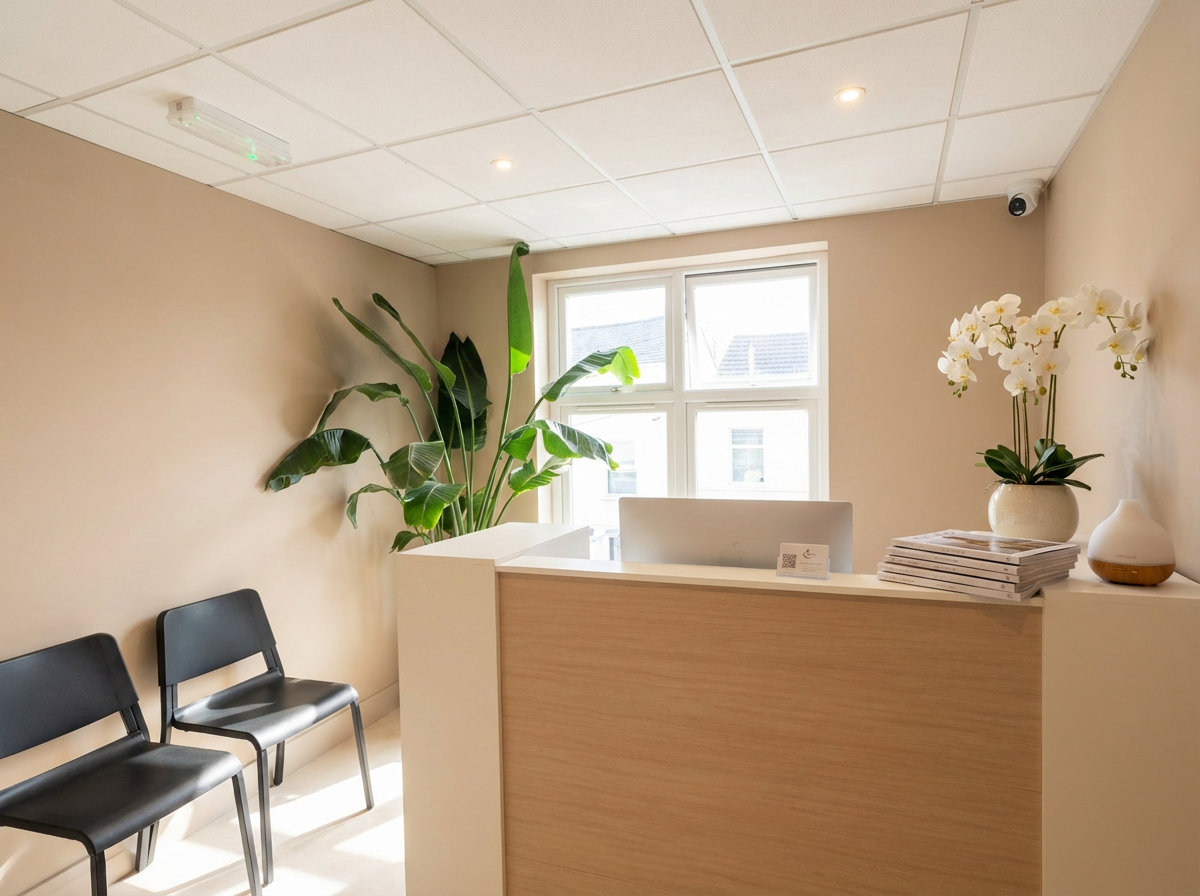
ReGen Rooms in Leamington Spa specialises in advanced recovery therapies including red light therapy, infrared sauna and contrast therapy.
Final Thoughts
Red light therapy is a powerful, non‑invasive tool that taps into your body’s natural healing abilities. By stimulating mitochondria, increasing ATP production, releasing nitric oxide and modulating inflammation, it supports recovery, sleep, skin health and more. How often you should use it depends on your goals, but most people see success with 3–5 sessions per week, 10–20 minutes each. Consistency, timing and proper dosing are key.
Ready to experience the benefits of full‑body red light therapy? Book your session with us in Leamington Spa and discover how light can transform your energy, recovery and wellbeing.
References
Hamblin MR. Mechanisms and applications of the anti‑inflammatory effects of photobiomodulation. AIMS Biophysics 4(3):337–361 (2017).
Gordon S et al. Red Light Therapy: How Many Sessions Do You Need? Health.com (2025).
Zhao J et al. Red light and the sleep quality and endurance performance of Chinese female basketball players. J Athl Train 47(6):673–678 (2012).
Kaiyan Medical. How Often Should You Do Red Light Therapy for Best Results? (2025).
Further Reading:
If you're interested in learning more about red light therapy and recovery science, explore some of our other in-depth guides:
