
Fibromyalgia
Fibromyalgia is a complex, often misunderstood condition that affects the way the body processes pain, energy and stress. Many people live with widespread muscle pain, deep fatigue, poor sleep and flare-ups that seem to appear without warning. Traditional treatment approaches often focus on symptom management, yet for many people the underlying drivers of fibromyalgia remain unaddressed.
Red light therapy - also known as photobiomodulation - is a non-invasive, evidence-informed therapy that works at a cellular level. At ReGen Rooms, red light therapy is used to support pain regulation, inflammation control, nervous system balance and cellular energy production, all of which are closely linked to fibromyalgia symptoms.
Red light therapy may be suitable for people with fibromyalgia experiencing widespread pain, fatigue, sleep disruption or nervous system overload. It is often explored alongside existing care rather than as a replacement for medical treatment. As with any supportive therapy, individual responses vary, and we always encourage clients to discuss suitability with their healthcare provider.
Fibromyalgia as a Multi-System Condition
Fibromyalgia is now widely understood as a condition involving dysfunction across several interconnected systems rather than a single tissue or structure. These core mechanisms help explain the persistence and complexity of symptoms.
Mitochondria produce ATP — the energy required for muscle contraction, nerve signalling, tissue repair and cognitive function. In fibromyalgia, mitochondrial efficiency appears reduced, leading to impaired ATP production.
This energy deficit contributes to rapid fatigue, poor exercise tolerance, delayed tissue recovery and heightened pain sensitivity — often described as “cellular exhaustion”.
Low-grade systemic inflammation and elevated oxidative stress are frequently observed in fibromyalgia. Increased pro-inflammatory cytokines and reactive oxygen species disrupt normal cellular signalling.
Over time, this inflammatory environment amplifies pain perception and sensitises both peripheral tissues and central pain pathways.
Fibromyalgia is characterised by central sensitisation — where the nervous system becomes hyper-reactive and pain signals are amplified.
Non-painful stimuli such as pressure, temperature changes or stress may be interpreted as painful (allodynia). This is often accompanied by sympathetic nervous system dominance, impairing recovery and emotional regulation.
Poor sleep quality is both a symptom and a driver of fibromyalgia. Disrupted circadian rhythms impair pain modulation, immune balance and mitochondrial repair.
This reinforces the fatigue–pain cycle and limits the body’s ability to heal effectively.
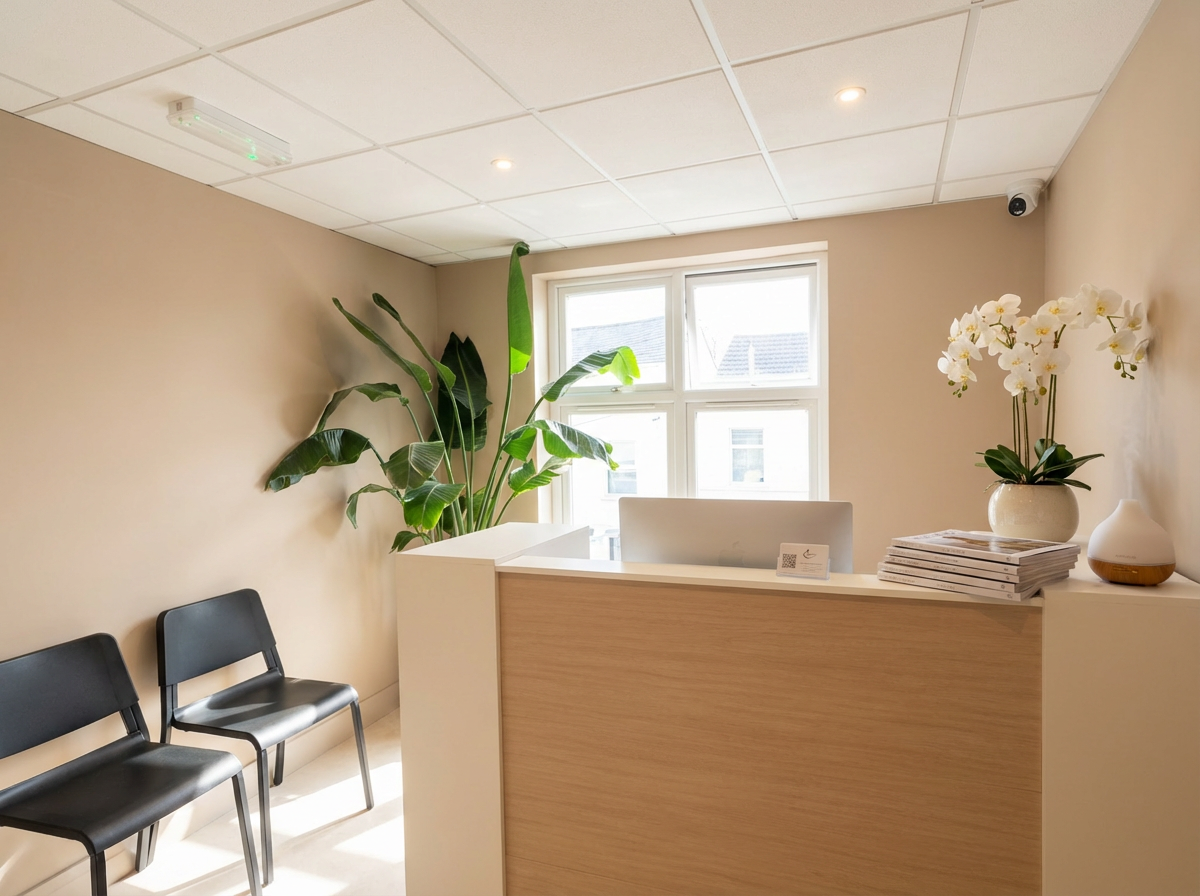
At ReGen Rooms in Leamington Spa, we support people across Warwickshire living with fibromyalgia who are looking for evidence-led, non-invasive therapy options. Our clinic is easily accessible for clients travelling from Leamington Spa, Warwick, Kenilworth and surrounding areas.
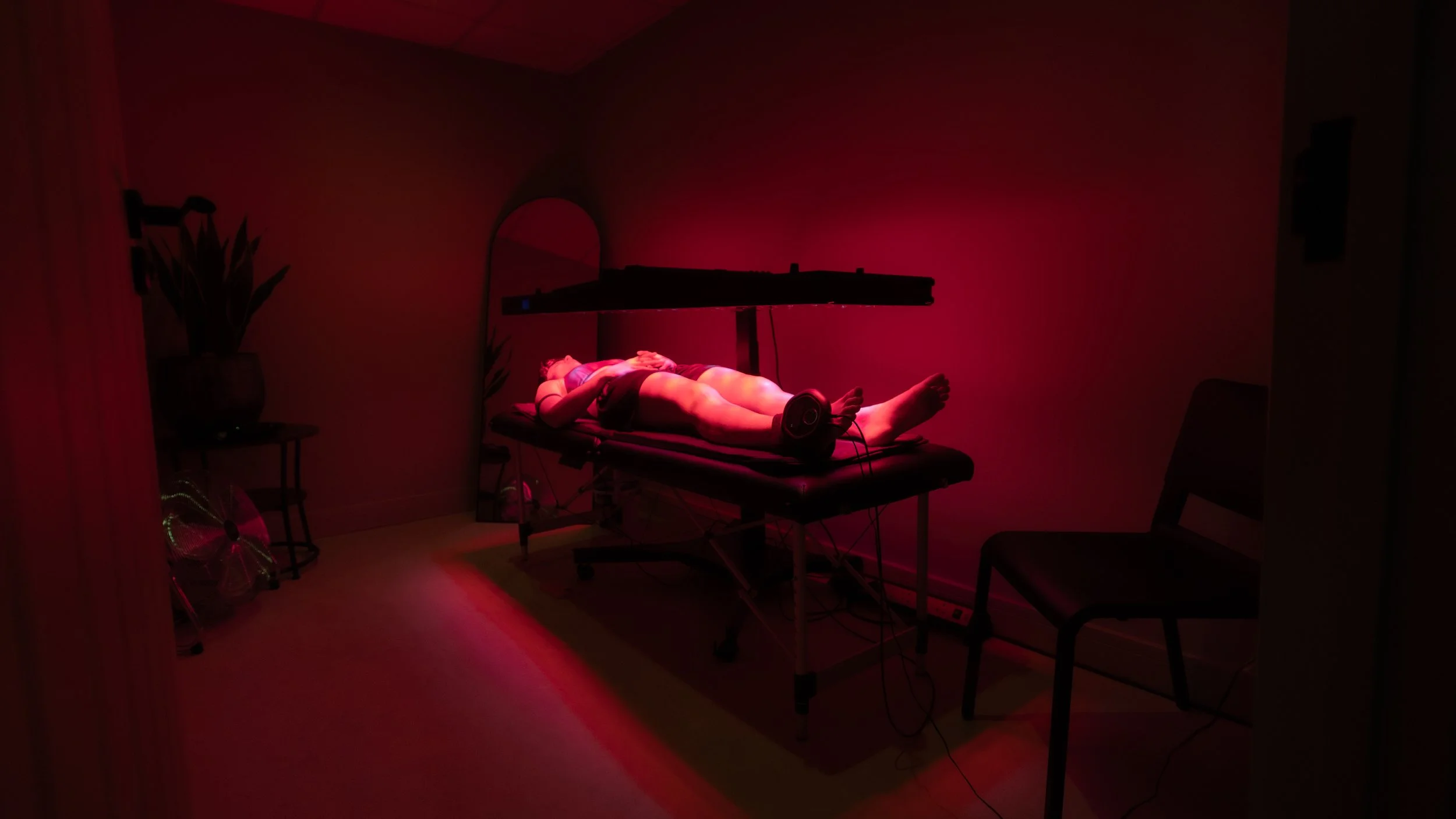
We offer full-body red light therapy using a clinically studied delivery system (NovoTHOR XL) to those used in published fibromyalgia trials. Our approach focuses on supporting recovery, nervous system regulation and long-term wellbeing in a calm, professional environment.
From Our Clients
“If you want red light therapy the equipment is the best money can buy. Nav made me feel welcome and answered all my questions on the technology and its benefits”
- David Mitchell
How Red Light Therapy Supports Fibromyalgia at a Biological Level
Photobiomodulation (PBM) uses specific wavelengths of red and near-infrared light to penetrate tissue and influence cellular signalling. Rather than only masking symptoms, PBM targets upstream dysfunction that can drive fibromyalgia — including energy deficit, pain sensitisation, inflammation and nervous system dysregulation.
Red and near-infrared light interacts with cytochrome c oxidase, a key enzyme in the mitochondrial respiratory chain. This interaction improves oxygen utilisation and supports ATP synthesis.
Whole-body PBM studies show improvements in fatigue, physical function and quality of life — outcomes consistent with improved cellular energy availability in fibromyalgia.
Fibromyalgia is associated with reduced pain thresholds and amplified pain signalling. Whole-body PBM has been shown to significantly reduce pain intensity and improve pain pressure thresholds.
Clinical trials report meaningful pain reduction following short PBM protocols, with benefits persisting at longer-term follow-up.
PBM influences inflammatory signalling and supports antioxidant pathways, helping to reduce oxidative stress.
Research has also demonstrated improvements in tissue elasticity, suggesting enhanced tissue resilience and reduced mechanical sensitivity in chronic widespread pain.
Fibromyalgia affects both physical and psychological wellbeing. PBM may support nervous system down-regulation and reduce persistent “threat mode”.
Patient-reported outcomes include improved self-efficacy, reduced fear of movement and a renewed sense of “feeling like themselves” — described as functional recomposition.
Whole-Body Photobiomodulation in Fibromyalgia: What the Research Shows
The strongest fibromyalgia evidence relates to whole-body photobiomodulation (PBM) rather than small localised devices. Swipe through key outcomes reported across pain, function and quality of life.
While research is encouraging, photobiomodulation is not a cure for fibromyalgia, and outcomes vary between individuals depending on symptom profile, nervous system sensitivity and overall health.
Frequently Asked Questions
-
Red light therapy is not a cure. Fibromyalgia is a complex condition requiring a multimodal approach. However, clinical studies show PBM can meaningfully improve pain, fatigue, sleep and quality of life as part of supportive care.
-
Yes. PBM is commonly used alongside medication, physiotherapy, nutrition support and psychological therapies. Research supports its role as part of an integrated treatment strategy.
Some clients choose to combine red light therapy with other nervous-system-supportive therapies offered at ReGen Rooms, such as infrared sauna or PEMF, depending on individual needs.
-
Staying well hydrated, supporting sessions with balanced nutrition, gentle movement and adequate rest may enhance outcomes. Lifestyle factors such as stress management and sleep hygiene also play an important role.
-
When delivered at therapeutic doses, photobiomodulation is considered safe and non-invasive, with a strong safety profile reported across clinical trials.
How to book
There are three ways to book. First time customers can book individual therapy sessions. Seasoned customers may prefer to block book therapies via our single therapy packages. Or for those who want the flexibility to mix and match therapies, we have credit packs available below:
Mix & Match Credit Packs
-
Essentials
✷
20 Credits
£95
Great for first timers.
Use across any therapy.£4.75 per credit
-
Elevate
✷✷
40 Credits
£180
Lower cost per session.
Use across any therapy.£4.50 per credit
-
Momentum
✷✷✷
60 Credits
£240
Best flexibility and savings.
Use across any therapy.£3.50 per credit.