
PEMF Therapy for Chronic Pain & Fibromyalgia: What The Evidence Shows
Chronic pain conditions such as fibromyalgia are no longer viewed as isolated musculoskeletal issues. Research increasingly points toward dysfunction in nervous system regulation, cellular energy production, circulation, and inflammation control.

Neck and shoulder pain are common in fibromyalgia, often linked to muscle tenderness and nervous system sensitisation.
Pulsed Electromagnetic Field (PEMF) therapy has gained attention because it targets these systems simultaneously - not by masking symptoms, but by supporting the body’s underlying repair and regulatory mechanisms.
This article explores how PEMF works, what clinical research shows, and why it may be particularly relevant for people living with fibromyalgia and persistent pain.
Understanding Chronic Pain & Fibromyalgia as Systemic Conditions
Fibromyalgia is characterised by widespread pain, fatigue, sleep disturbance, cognitive symptoms (“fibro fog”), and heightened sensitivity to physical and emotional stress. Rather than a single cause, research highlights overlapping dysfunction across multiple systems:
Altered nervous system signalling and central sensitisation
Reduced microcirculation and oxygen delivery
Impaired cellular repair and ATP production
Autonomic imbalance (sympathetic overactivity)
These mechanisms help explain why conventional treatments aimed solely at muscles or joints often fall short.
PEMF therapy has been studied precisely because it interacts with electrical and magnetic processes that regulate these systems at a cellular level.
This overlap is also explored in our guide to red light therapy for fibromyalgia, where mitochondrial and nervous system mechanisms are discussed in more detail.
What Is PEMF Therapy?
PEMF therapy uses low-frequency electromagnetic pulses to stimulate tissues and cells. These pulses are designed to mimic the body’s natural electromagnetic rhythms, which play a role in:
Cell membrane function
Ion exchange (calcium, sodium, potassium)
Blood flow regulation
Nerve signalling and repair
Unlike heat-based or mechanical therapies, PEMF works without physical force, making it suitable for people with heightened sensitivity or flare-prone conditions.
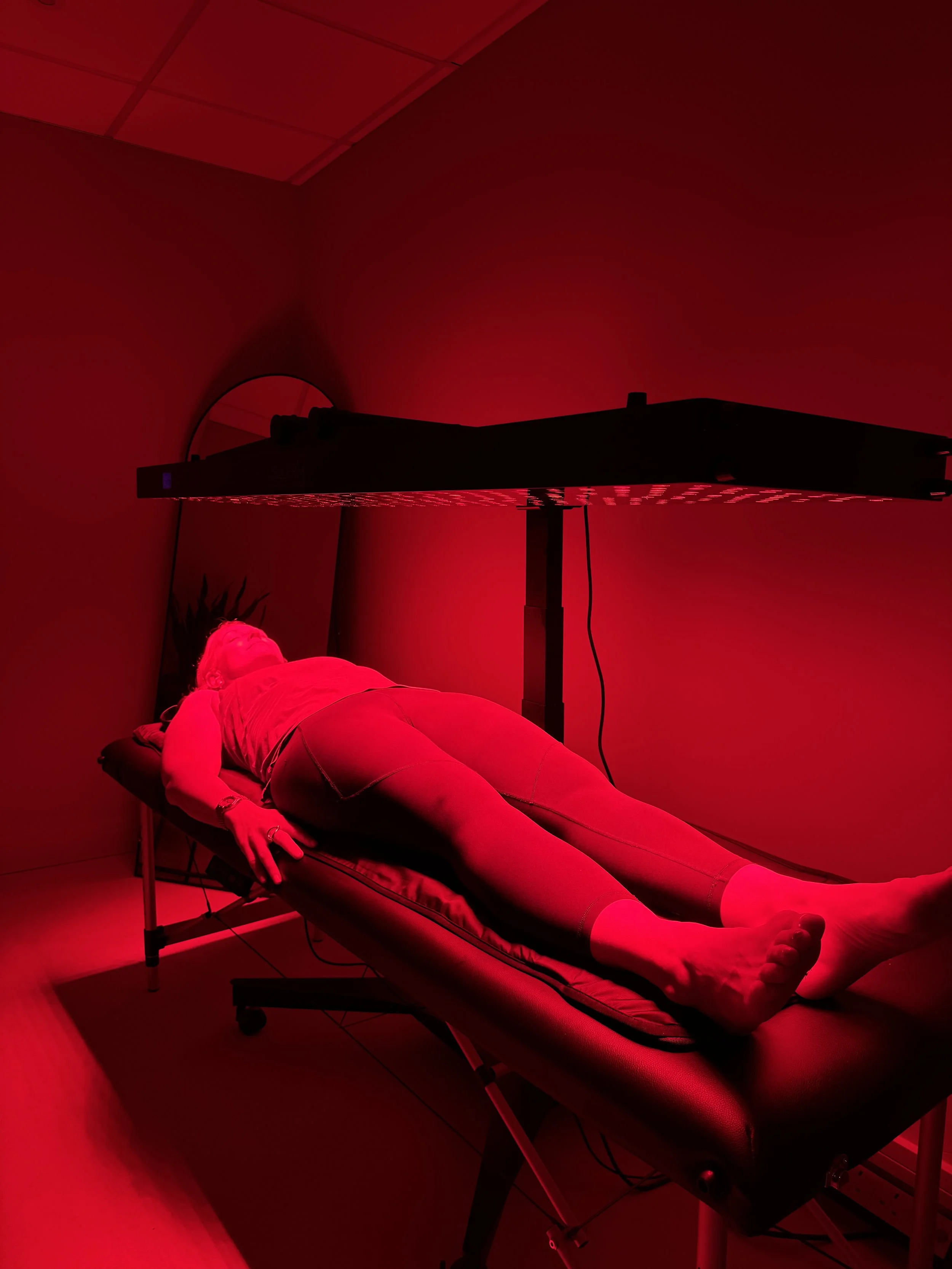
Red light therapy sessions are designed to support pain reduction, tissue recovery and nervous system regulation.
How PEMF Supports Chronic Pain at a Biological Level
Nervous System Regulation and Pain Processing
One of the defining features of fibromyalgia is central sensitisation — where the nervous system amplifies pain signals. PEMF has been shown to influence neural excitability by modulating ion channels and improving communication between nerve cells.
Clinical research suggests PEMF may help:
Reduce pain signal amplification
Improve pain thresholds
Support parasympathetic (“rest and repair”) activation
This nervous system calming effect is particularly relevant for people who experience pain flares triggered by stress, poor sleep, or sensory overload.
Improved Circulation and Tissue Oxygenation
Reduced microcirculation is commonly observed in chronic pain conditions. PEMF has been shown to improve blood flow and capillary perfusion, supporting oxygen and nutrient delivery to tissues.
Improved circulation is associated with:
Reduced muscle stiffness
Faster tissue recovery
Lower accumulation of inflammatory metabolites
This mechanism helps explain why some people report reduced heaviness, aching, and morning stiffness after consistent PEMF sessions.
Supporting Cellular Repair and Energy Balance
Cells rely on electrical gradients across their membranes to function efficiently. Chronic inflammation and oxidative stress can impair this process. PEMF has been shown to help restore cell membrane potential, improving cellular communication and repair capacity.
In fibromyalgia, where fatigue and delayed recovery are prominent, this cellular-level support may contribute to:
Improved energy availability
Reduced post-exertional symptom flare
Better tolerance to daily activity
What the Research Shows About PEMF & Fibromyalgia
Clinical research into PEMF for chronic pain and fibromyalgia is still developing, but findings to date are encouraging.
Pain Reduction and Functional Improvement
Clinical research suggests that PEMF therapy can reduce pain intensity and support functional improvement in people with chronic musculoskeletal pain and fibromyalgia.
Across randomised and placebo-controlled studies, PEMF has been associated with improvements in:
Overall pain intensity, including widespread and persistent pain
Tender point sensitivity, a key feature of fibromyalgia
Physical function and movement tolerance during daily activities
Activity confidence, particularly in people with long-standing pain
These improvements are thought to arise from PEMF’s ability to influence nerve signalling, circulation, and inflammatory pathways, helping to calm overactive pain processing rather than simply suppressing symptoms.
Importantly, several clinical studies report that benefits may persist for weeks to months after treatment, suggesting PEMF supports longer-term nervous system regulation rather than short-lived relief alone.
Evidence snapshot
Change in pain scores following PEMF therapy
Illustrative example showing reduction in reported pain scores following a structured course of PEMF therapy.
Improved Sleep and Fatigue Scores
Sleep disruption is a central feature of fibromyalgia and plays a significant role in symptom severity and flare frequency. Emerging research suggests that PEMF therapy may support improvements in sleep quality and daytime energy levels, particularly in people experiencing chronic pain–related sleep disturbance.
Across clinical and observational studies, PEMF therapy has been associated with improvements in:
Overall sleep quality, including more restorative sleep patterns
Sleep onset latency, with some people falling asleep more easily
Daytime fatigue, supporting better energy and cognitive function
These effects are thought to relate to PEMF’s influence on autonomic nervous system balance and circulation, helping shift the body away from persistent “fight or flight” signalling that can interfere with deep, restorative sleep.
Improved sleep may also play an important secondary role in symptom management, as better overnight recovery is closely linked to reduced pain sensitivity, improved mood, and greater tolerance to daily activity.
Evidence snapshot
Change in sleep quality and fatigue following PEMF therapy
Illustrative example showing improvement in reported sleep quality and daytime fatigue after a structured PEMF programme.
Clinical studies evaluating PEMF therapy in chronic pain and fibromyalgia populations report concurrent improvements in sleep quality and fatigue-related outcomes, supporting a link between nervous system regulation and restorative sleep.
Reduced Inflammation and Improved Tissue Health
Chronic pain conditions such as fibromyalgia are often accompanied by ongoing low-grade inflammation and impaired tissue recovery, even when no clear structural injury is present. Research suggests that PEMF therapy may help modulate inflammatory activity and support healthier tissue function over time.
Across experimental and clinical studies, PEMF has been associated with:
Reduced inflammatory mediator activity, supporting calmer tissue environments
Improved tissue elasticity, which may reduce mechanical sensitivity and stiffness
Enhanced healing and repair responses, particularly in chronically irritated tissues
These effects are particularly relevant for people experiencing persistent soreness, swelling, or stiffness that does not respond well to conventional interventions, and may help explain why some individuals report more ease of movement and reduced “background pain” following PEMF therapy.
Biological pathway
How PEMF supports inflammation and tissue health
PEMF therapy works upstream, influencing cellular signalling and tissue environments that contribute to chronic pain and sensitivity.
Electromagnetic signalling
Low-frequency pulsed electromagnetic fields interact with cells at a signalling level, influencing ion exchange and cellular communication.
Inflammatory modulation
PEMF has been shown to influence inflammatory mediators and nitric oxide pathways, helping shift tissues away from persistent low-grade inflammation.
Tissue resilience & elasticity
Improved cellular environments may support healthier tissue elasticity and reduced mechanical sensitivity in chronically irritated tissues.
Functional comfort
Over time, these biological effects may translate into reduced soreness, stiffness and swelling, supporting more comfortable movement.
Preclinical and clinical research indicates that PEMF therapy can influence inflammatory signalling, nitric oxide pathways, and tissue-level repair processes involved in chronic pain conditions.
PEMF vs Other Therapies for Fibromyalgia
PEMF is not a replacement for medical care, but it differs from many conventional approaches by targeting upstream dysfunction rather than downstream symptoms.
Compared with medication-based pain management, PEMF:
Does not suppress symptoms artificially
Does not rely on systemic drug exposure
Can be safely combined with other therapies
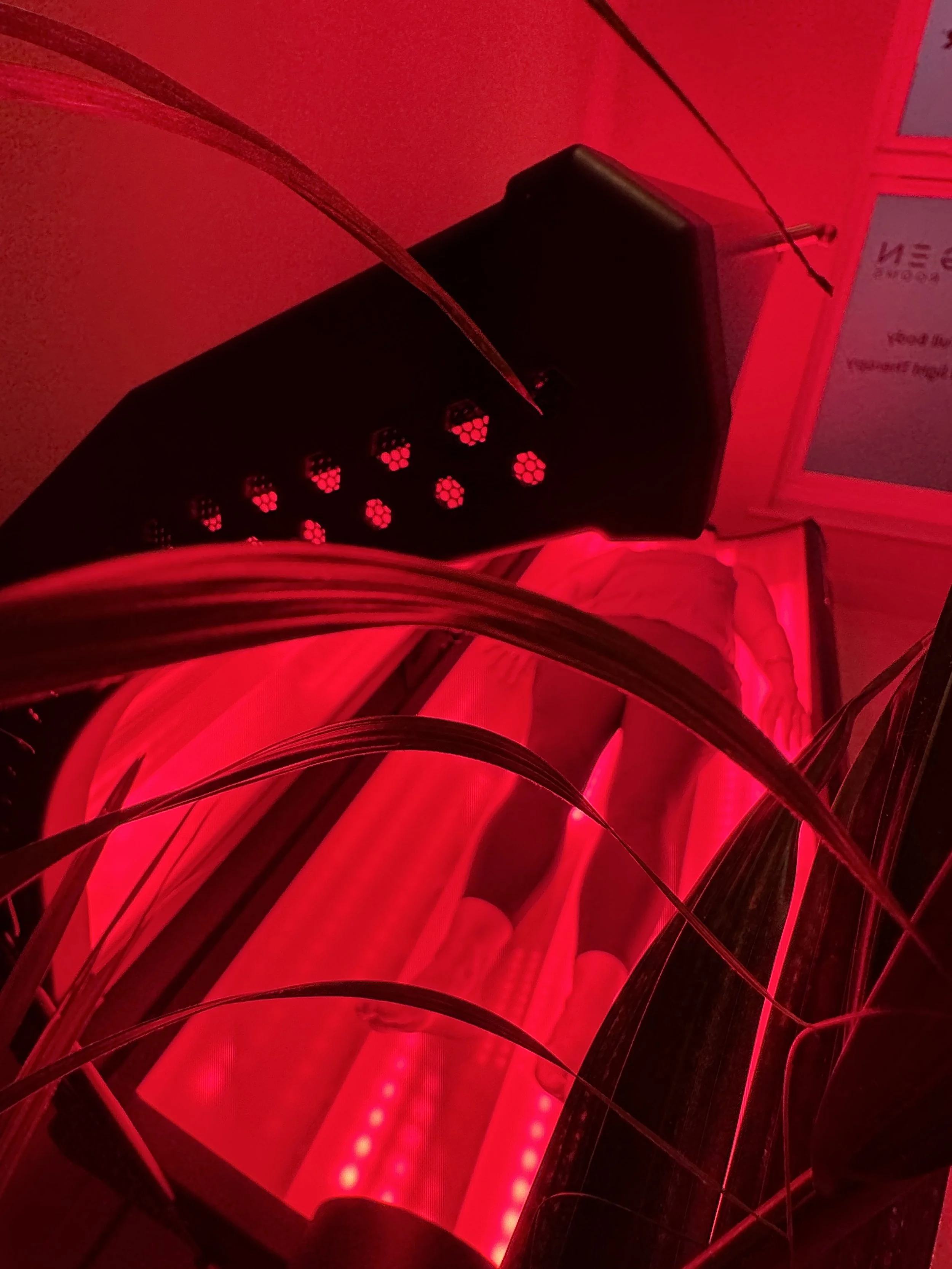
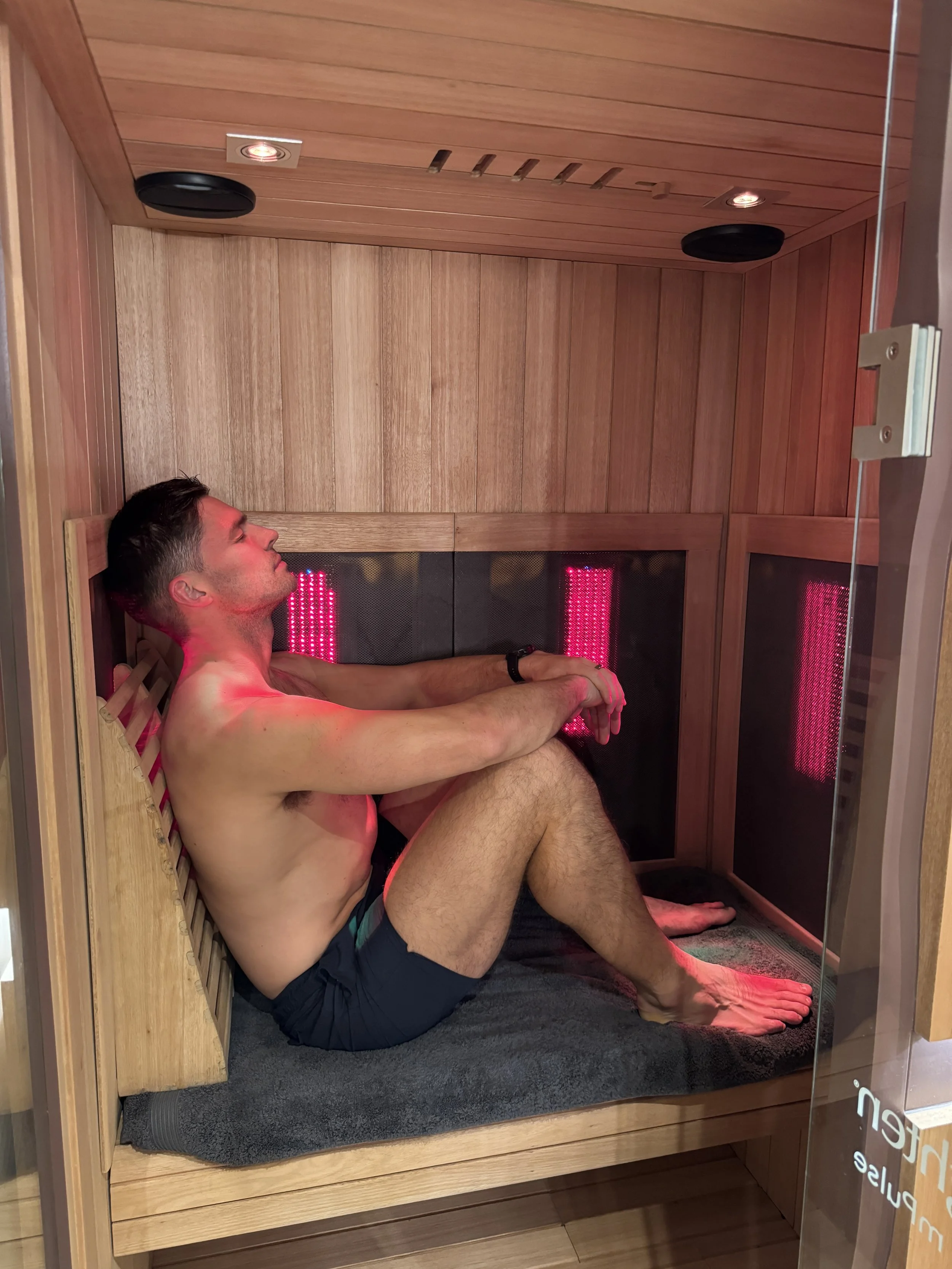
At ReGen Rooms, PEMF is often used alongside therapies such as red light therapy and infrared sauna to create a multi-system recovery approach.
Quick comparison
Compare therapies for pain, inflammation & recovery
Tap a card to see what each therapy is best for, what you’ll feel, and who it tends to suit.
- Best for
- Inflammation support, recovery, skin renewal, widespread aches, fatigue patterns.
- What you’ll feel
- Warmth-free light exposure; many feel calm/relaxed during or after.
- Typical course
- Works best as a structured series (benefits build with consistency).
- Great if you…
- Want a non-invasive option that supports upstream biology (cellular energy + repair).
- Not ideal if you…
- Have a photosensitivity condition or are taking photosensitising medications (check first).
- Best for
- Chronic pain support, fibromyalgia-style sensitivity, sleep disruption, recovery.
- What you’ll feel
- Gentle pulsing sensation or subtle “nothing” (it’s normal to feel very little).
- Typical course
- Often used 1–3x weekly in a block for best effect (then maintenance if needed).
- Great if you…
- Prefer a low-sensory therapy that supports regulation rather than “pushing through”.
- Not ideal if you…
- Have certain implanted devices (e.g., pacemaker) — always check suitability first.
- Best for
- Muscle tension, circulation support, stress reduction, recovery and soreness.
- What you’ll feel
- Gentle, deep warming heat and sweating (hydration matters).
- Typical course
- 1–2x weekly or after training; some prefer shorter, more frequent sessions.
- Great if you…
- Want heat-based relaxation and a “reset” feeling for body and mind.
- Not ideal if you…
- Struggle with heat intolerance, low blood pressure, or are unwell (check first).
- Best for
- Recovery, circulation changes, energy, stress resilience and post-training soreness.
- What you’ll feel
- Heat relaxation followed by cold stimulation (a strong “reset”).
- Typical course
- Often used weekly; protocols vary based on tolerance and goals.
- Great if you…
- Want a noticeable, immediate shift in how you feel (energised + calm).
- Not ideal if you…
- Have uncontrolled blood pressure, cardiovascular concerns, or cold sensitivity.


What to Expect From PEMF Therapy
Clinical protocols vary, but research commonly uses multiple sessions per week over several weeks. Many people report subtle changes early on, such as:
Deeper relaxation
Reduced muscle tension
Improved sleep
More noticeable changes in pain and fatigue often develop with consistency rather than single sessions.
Importantly, PEMF is generally well tolerated — even by people who struggle with more intense physical therapies.
Frequently Asked Questions
-
Yes. PEMF is non-invasive, low intensity, and widely studied for chronic pain conditions. It is generally well tolerated, including by people with heightened sensitivity.
-
Research suggests benefits accumulate over time. Many protocols use multiple sessions per week over 4–6 weeks, though individual responses vary.
-
Some people experience temporary fatigue or symptom awareness early on as the nervous system adapts. This typically settles with continued sessions.
-
Yes. PEMF and red light therapy target complementary biological pathways and are often used together for chronic pain and fibromyalgia.
-
Because PEMF does not rely on pressure or heat, it is often suitable even during flare periods — though sessions may be adjusted based on individual tolerance.
A Supportive, Whole-System Approach to Chronic Pain
Fibromyalgia and chronic pain are complex conditions that rarely respond to one-dimensional solutions. PEMF therapy offers a gentle, evidence-informed way to support nervous system regulation, circulation, and cellular repair - all key factors in long-term symptom management.
For people seeking non-invasive, supportive therapies that work with the body rather than against it, PEMF represents a promising option within a broader recovery strategy.
If you’d like to explore whether PEMF therapy is right for you, you can book a session at ReGen Rooms or speak to one of our team.
References & Clinical Evidence:
Markov, M. S. (2007). Pulsed electromagnetic field therapy: history, state of the art and future. The Environmentalist, 27(4), 465–475. https://doi.org/10.1007/s10669-007-9128-2 (Foundational paper outlining PEMF mechanisms, cellular signalling and therapeutic applications.)
Thomas, A. W., et al. (2007). A randomized, double-blind, placebo-controlled clinical trial using a low-frequency magnetic field in the treatment of musculoskeletal chronic pain. Pain Research & Management, 12(4), 249–258. https://pubmed.ncbi.nlm.nih.gov/18080046/ (Demonstrates significant pain reduction and functional improvement with PEMF exposure.)
Vallbona, C., & Richards, T. (1999). Evolution of magnetic therapy from alternative to traditional medicine. Physical Medicine and Rehabilitation Clinics of North America, 10(3), 729–754. https://pubmed.ncbi.nlm.nih.gov/10436290/ (Discusses PEMF adoption in musculoskeletal and chronic pain management.)
Trock, D. H., Bollet, A. J., & Markoll, R. (1994). The effect of pulsed electromagnetic fields in the treatment of osteoarthritis of the knee and cervical spine. Journal of Rheumatology, 21(10), 1903–1911. https://pubmed.ncbi.nlm.nih.gov/7837158/ (Early controlled trial showing pain and stiffness reduction relevant to chronic pain syndromes.)
Iannitti, T., et al. (2014). Pulsed electromagnetic field therapy for management of chronic pain: a systematic review. Pain Research and Management, 19(4), e109–e118. https://pubmed.ncbi.nlm.nih.gov/25114727/ (Systematic review supporting PEMF efficacy across chronic pain conditions.)
Sakakima, H., et al. (2014). Effect of pulsed electromagnetic fields on inflammatory cytokines in chronic pain models. Bioelectromagnetics, 35(3), 209–215. https://doi.org/10.1002/bem.21835 Explores PEMF influence on inflammatory mediators and tissue healing.)
Maestu, C., et al. (2013). Central sensitisation and altered pain modulation in fibromyalgia. Neuroscience Letters, 553, 161–166. https://doi.org/10.1016/j.neulet.2013.08.007 (Provides context for why neuromodulatory therapies like PEMF are relevant in fibromyalgia.)
Clauw, D. J. (2014). Fibromyalgia: a clinical review. JAMA, 311(15), 1547–1555. https://jamanetwork.com/journals/jama/fullarticle/1873398 (Authoritative overview of fibromyalgia pathophysiology, central sensitisation and treatment challenges.)
Giordano, J., et al. (2011). Mechanisms and effects of PEMF on nervous system regulation. Electromagnetic Biology and Medicine, 30(2), 67–79. https://doi.org/10.3109/15368378.2011.566775 (Supports autonomic and neurological effects relevant to pain and sleep.)
Pall, M. L. (2013). Electromagnetic fields act via activation of voltage-gated calcium channels. Journal of Cellular and Molecular Medicine, 17(8), 958–965. https://doi.org/10.1111/jcmm.12088 (Key mechanistic paper explaining how PEMF influences cellular signalling.)
