Red Light Therapy for Bone & Joint Health
Evidence-Led Support for Joint Pain, Stiffness and Musculoskeletal Recovery.
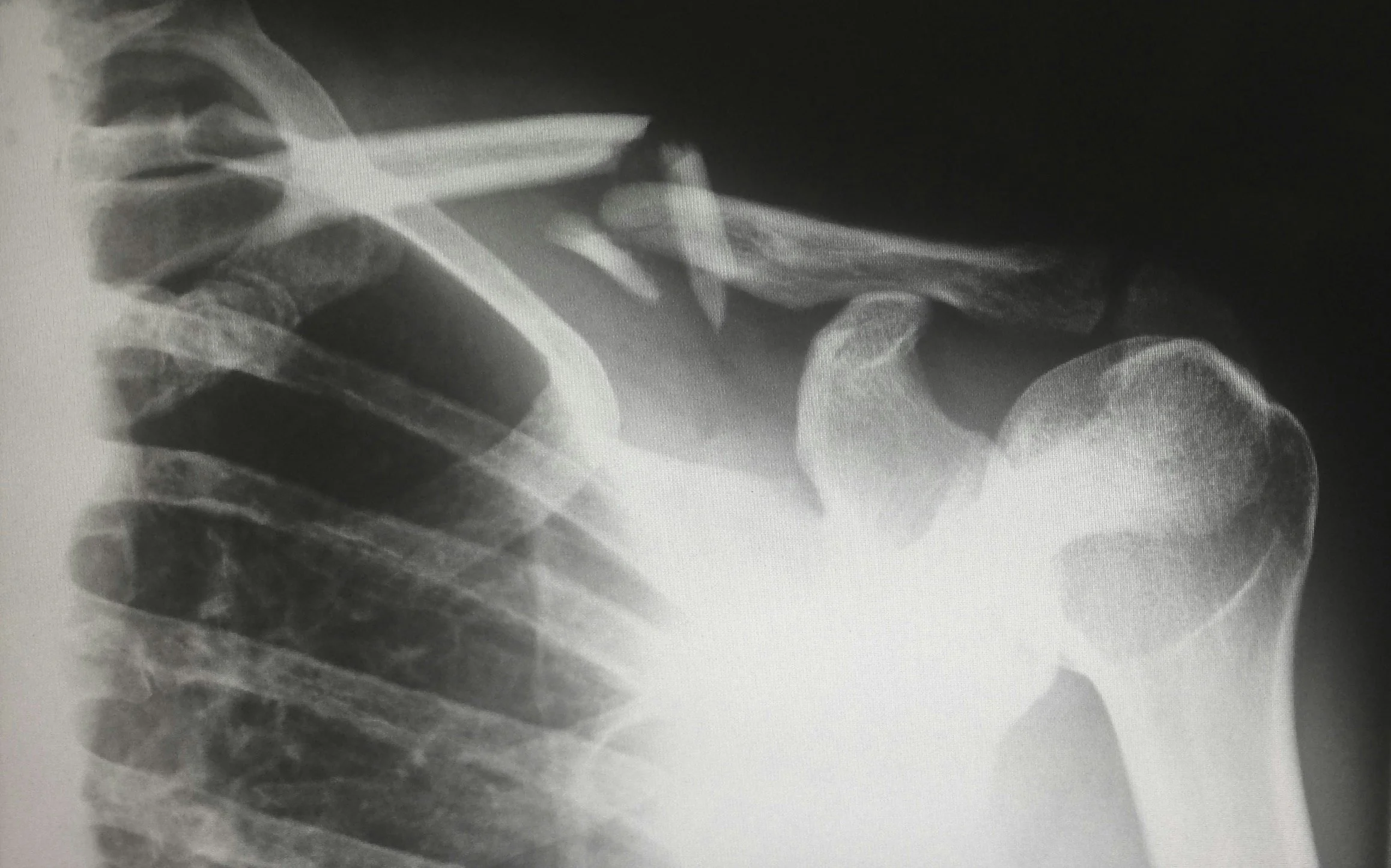
Joint pain, stiffness and reduced mobility are often labelled as “wear and tear” - but modern research shows that bone and joint health is influenced by far more than structure alone.
Inflammation, circulation, cellular energy and nervous system signalling all play a role in how joints feel, function and recover. Red light therapy (also known as photobiomodulation or PBM) is increasingly used as a supportive therapy for bone and joint health, particularly where discomfort, stiffness or slow recovery persist despite doing the “right things”.
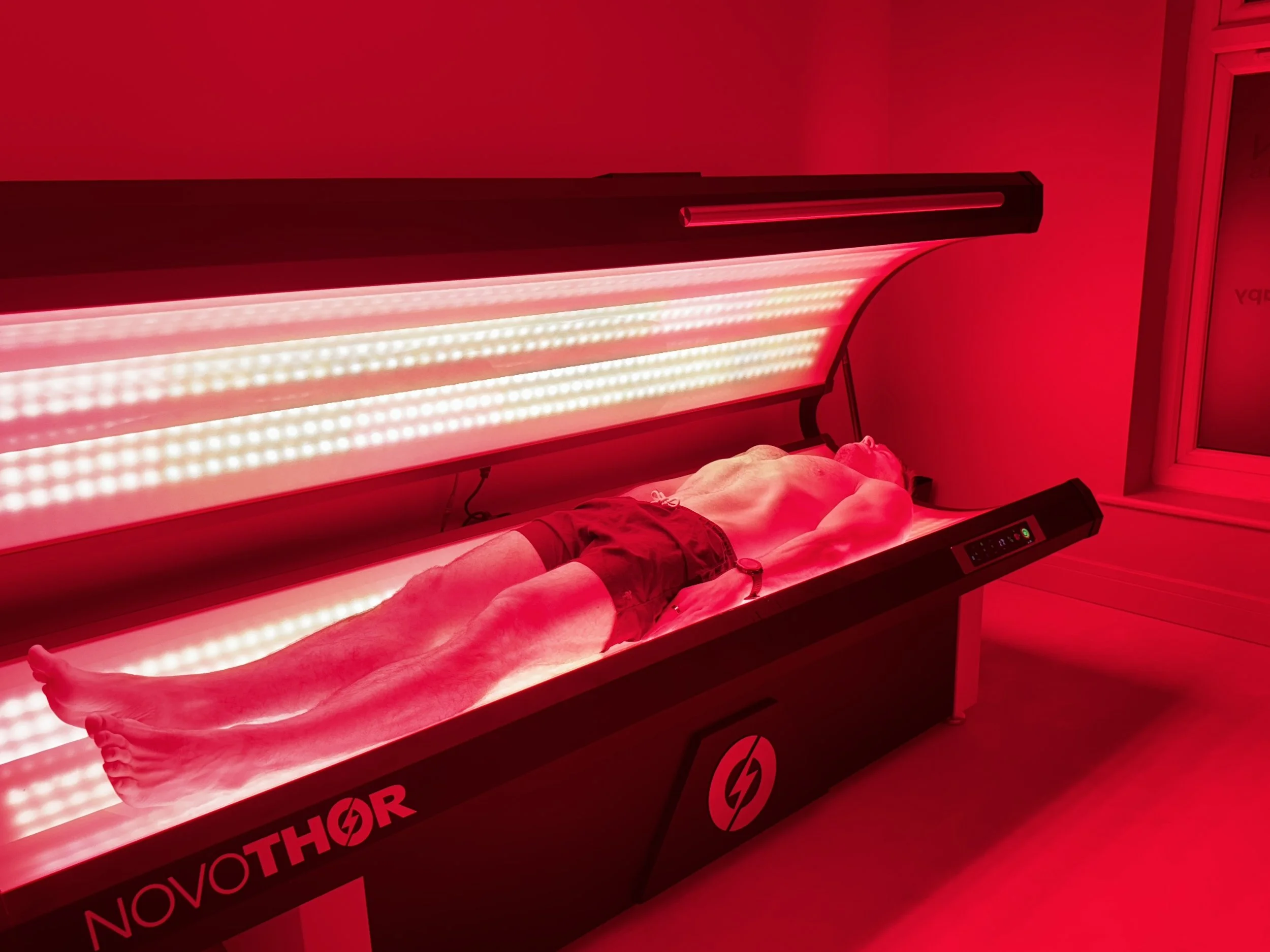
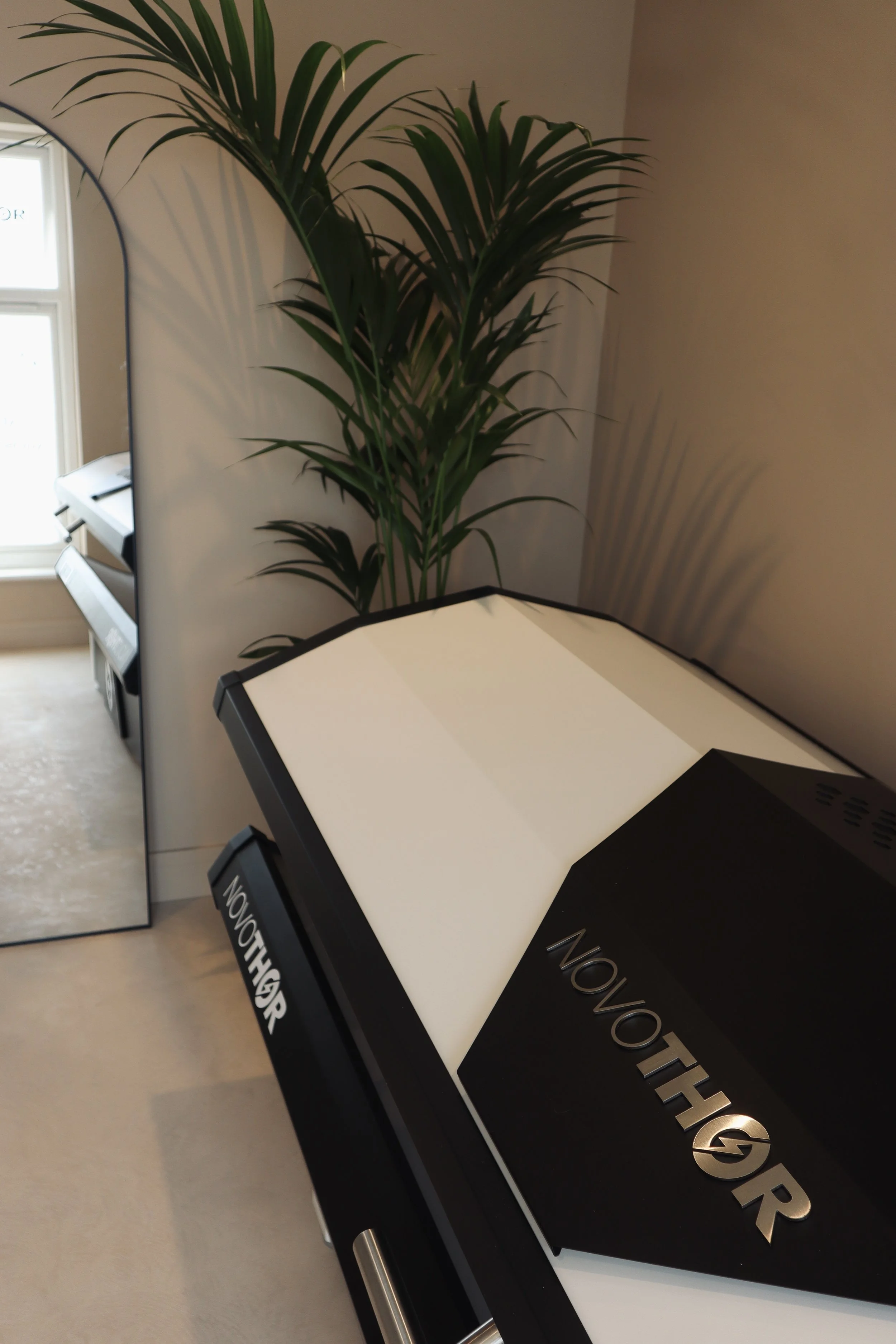
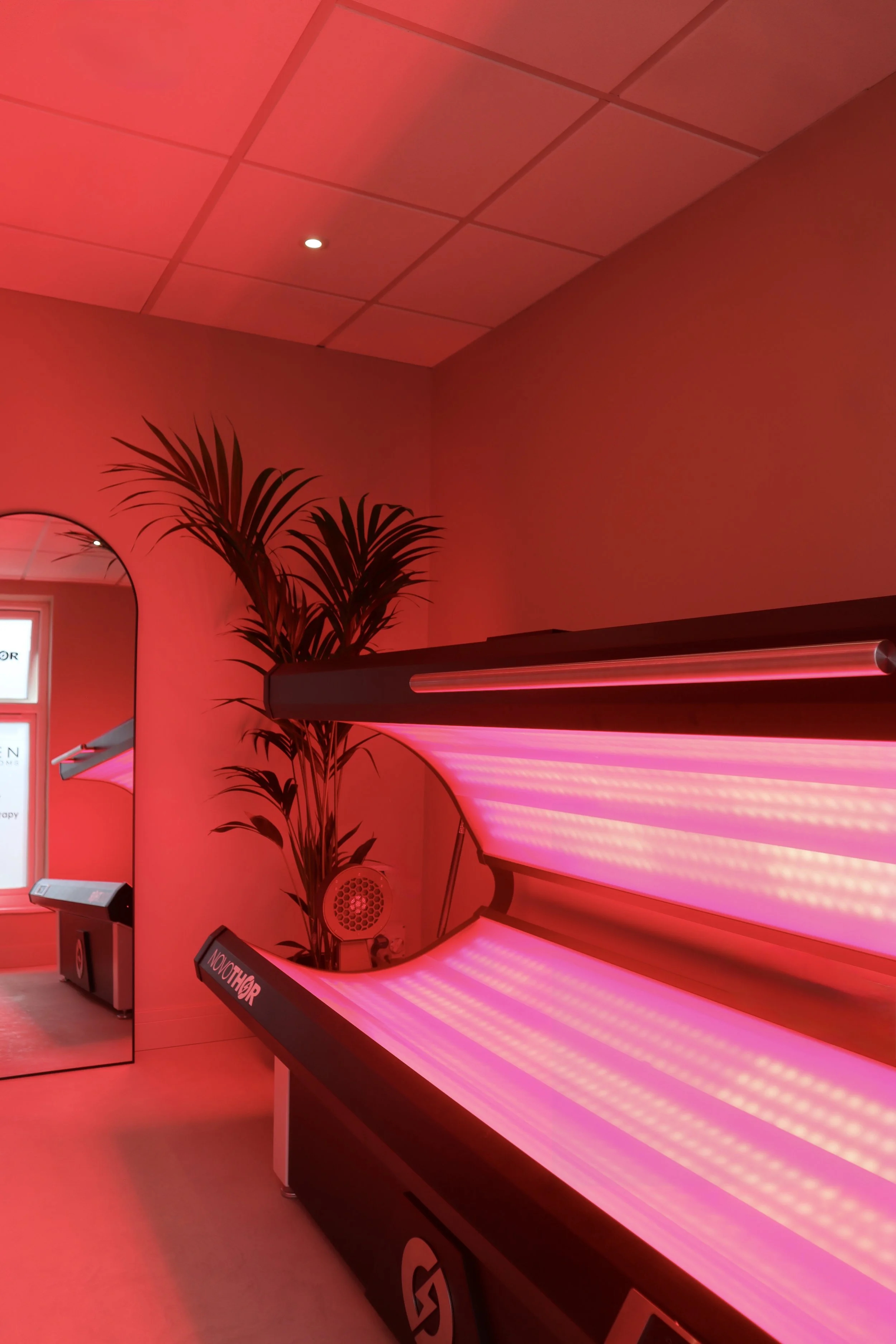
At ReGen Rooms, red light therapy is delivered using clinical-grade systems (NovoTHOR XL) and evidence-aligned protocols designed to support comfort, movement and recovery - not replace medical care.
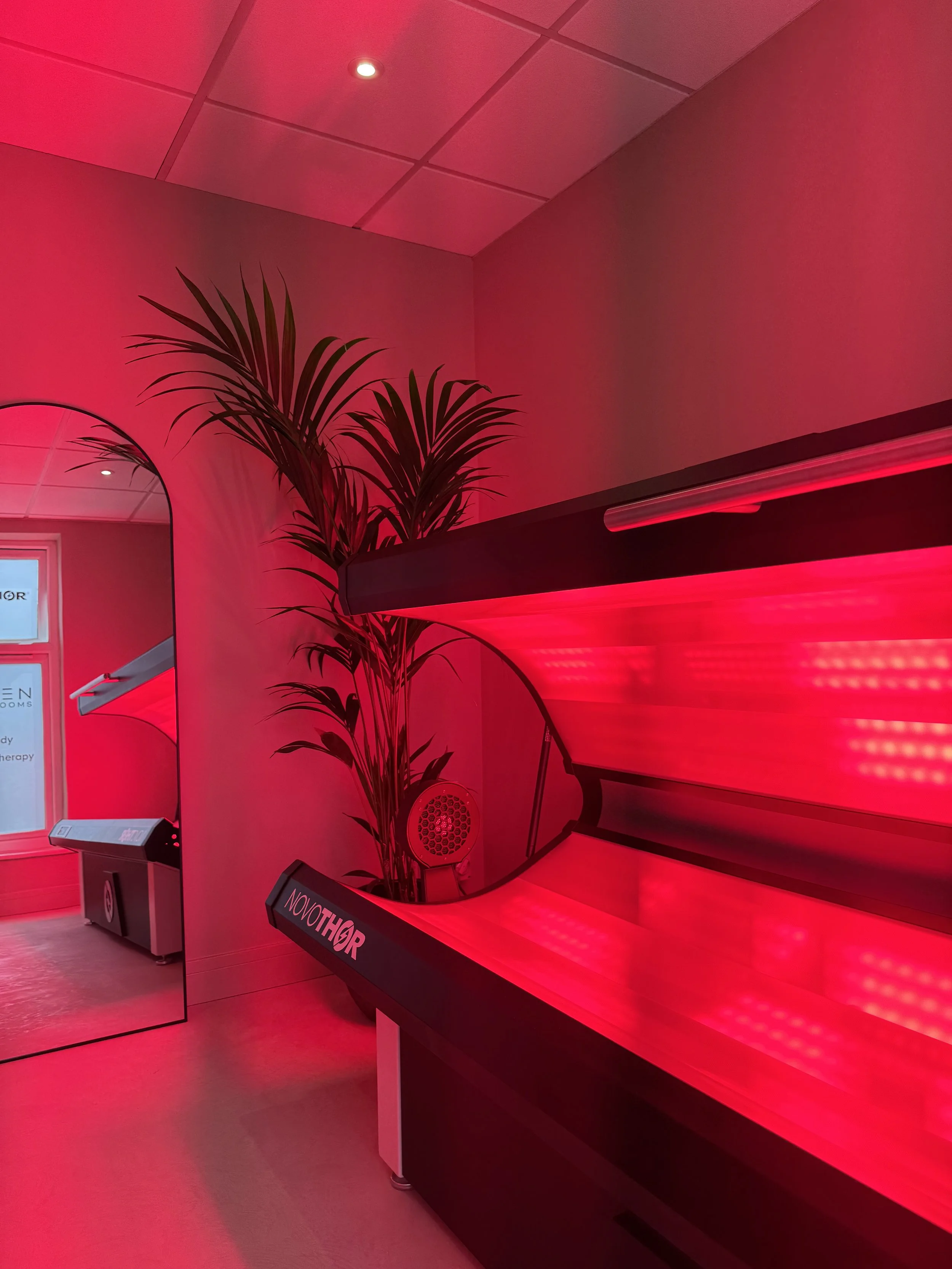
Unlike heat-based therapies, red light therapy works without stressing joints, making it suitable for people dealing with pain, inflammation or reduced mobility.
Supporting Long-Term Joint Health
Joint health depends on several interconnected systems working together. Red light therapy supports these foundations, helping joints move with less resistance and recover more effectively over time.
Takeaway:
Red light therapy supports these key foundations, providing low-load, non-invasive support that helps joints move more freely and recover more efficiently over time.
-
Joint comfort is strongly influenced by inflammation. When inflammatory signalling is elevated, joints can feel stiff, sore or easily aggravated. Supporting inflammatory balance helps create a calmer tissue environment, which can improve comfort and day-to-day movement.
-
Pain and tightness are not only local joint issues - they are processed and modulated by the nervous system. When the nervous system is under prolonged stress, pain sensitivity can increase and muscles may remain guarded. Supporting regulation can reduce reactivity and improve how movement feels overall.
-
Healthy joints rely on circulation to deliver oxygen and nutrients and to remove metabolic waste products. Improved microcirculation supports joint tissues, particularly in areas that tend to feel slow to warm up or stiff, such as the knees, hips and shoulders.
-
Repair, adaptation and recovery all require energy. Bones, cartilage, tendons and ligaments depend on ATP produced by mitochondria to maintain structure and respond to load. Supporting cellular energy helps tissues meet the ongoing demands of recovery and repair.
-
Long-term joint health depends on the ability to tolerate load and recover from it. When recovery is impaired, even normal activity can feel demanding. Supporting recovery capacity helps joints adapt more effectively to movement, training and daily life.
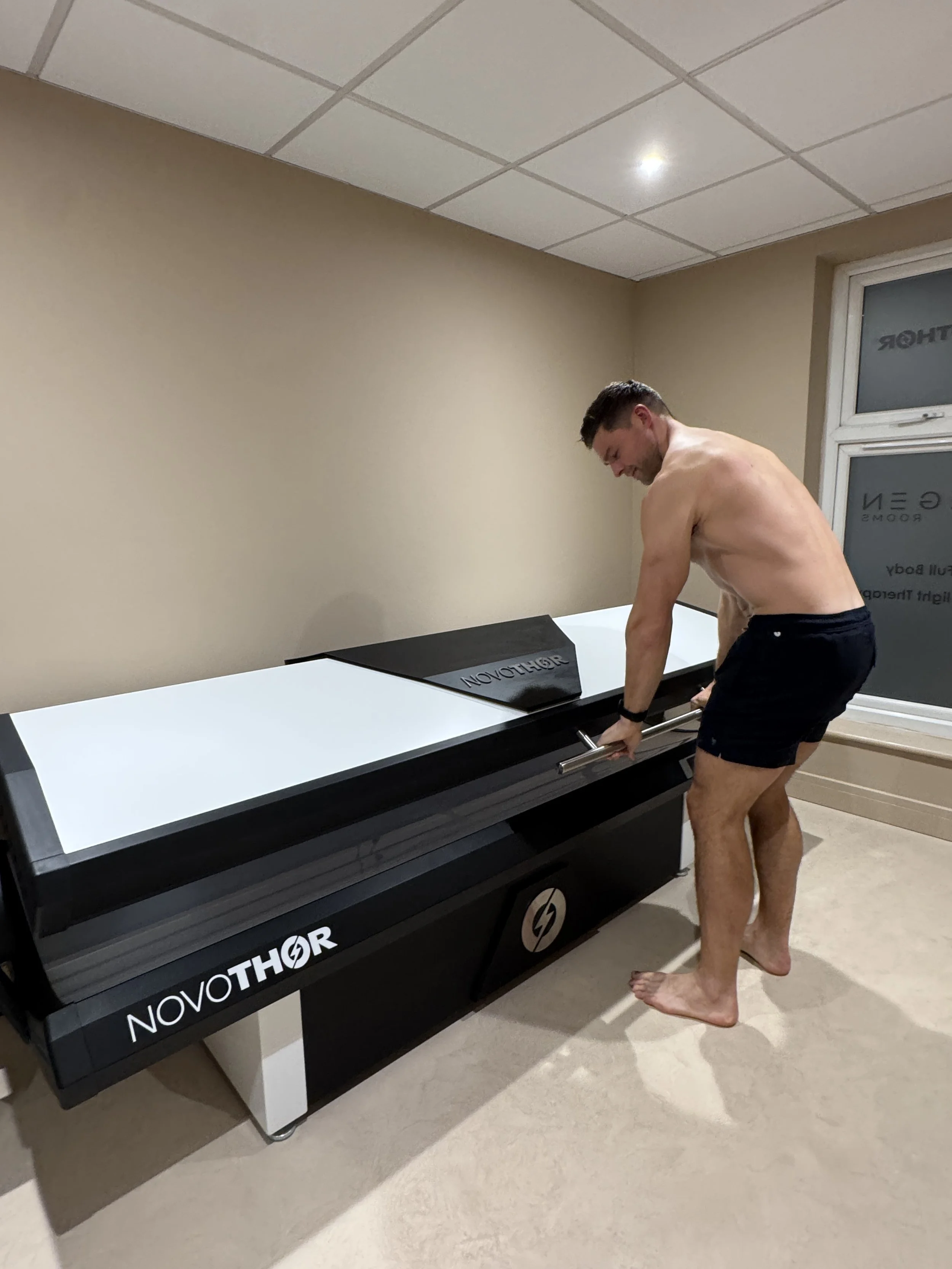
How Red Light Therapy Supports Bone & Joint Health
Four evidence-aligned ways photobiomodulation (PBM) can support joint comfort, mobility and recovery — without stressing the joint.
EVIDENCE LEDWhat the Research Supports (Clear & Credible)
The strongest clinical evidence shows that:
Photobiomodulation supports pain reduction and functional improvement in musculoskeletal conditions when correct wavelengths and dosing are used.
Benefits are most consistent when PBM is used regularly over several weeks, not as a one-off treatment.
PBM is most effective as a supportive therapy, alongside appropriate movement, loading and rehabilitation.
Who May Benefit from Red Light Therapy for Joints?
Red light therapy may support people experiencing joint discomfort, stiffness or slower recovery — especially where a low-load, non-invasive approach is preferred.
Joint pain, stiffness or general tightness
Support for everyday discomfort, morning stiffness and “tight all the time” movement patterns.
Osteoarthritis-related discomfort
A supportive option for stiffness and reactivity linked to degenerative joint change.
Tendon or ligament irritation
Low-load support for overuse discomfort and connective tissue recovery.
Reduced mobility or guarded movement
Support when joints feel limited, protective or less tolerant to movement.
Exercise-related joint strain
Helpful for active bodies managing flare-ups, strain or post-training soreness.
Slower recovery with age
A gentle option where healing feels slower and joints need consistency.
Why this matters: This is particularly useful for individuals who need a low-load, non-invasive support option — including those who can’t tolerate aggressive treatments or high-impact exercise during flare-ups.
Not Suitable For
Red light therapy is generally well tolerated, but there are situations where it may be unsuitable or require medical guidance first. If you’re unsure, we’ll help you decide safely.
If you have a diagnosed photosensitivity condition or you’re prone to light-triggered reactions, speak with your clinician first. We can also advise on cautious starting protocols.
Some medications can increase sensitivity to light. If you’re taking a photosensitising medication, please check with your GP, pharmacist or consultant before starting.
As a precaution, we recommend discussing any therapeutic light exposure during pregnancy with your healthcare provider first.
If you have active cancer or are currently undergoing treatment, get clearance from your oncology team before using red light therapy.
If you’ve got sudden swelling, severe pain, suspected fracture or an acute injury, medical assessment should come first. Red light therapy can be supportive later, once the acute phase is appropriately managed.
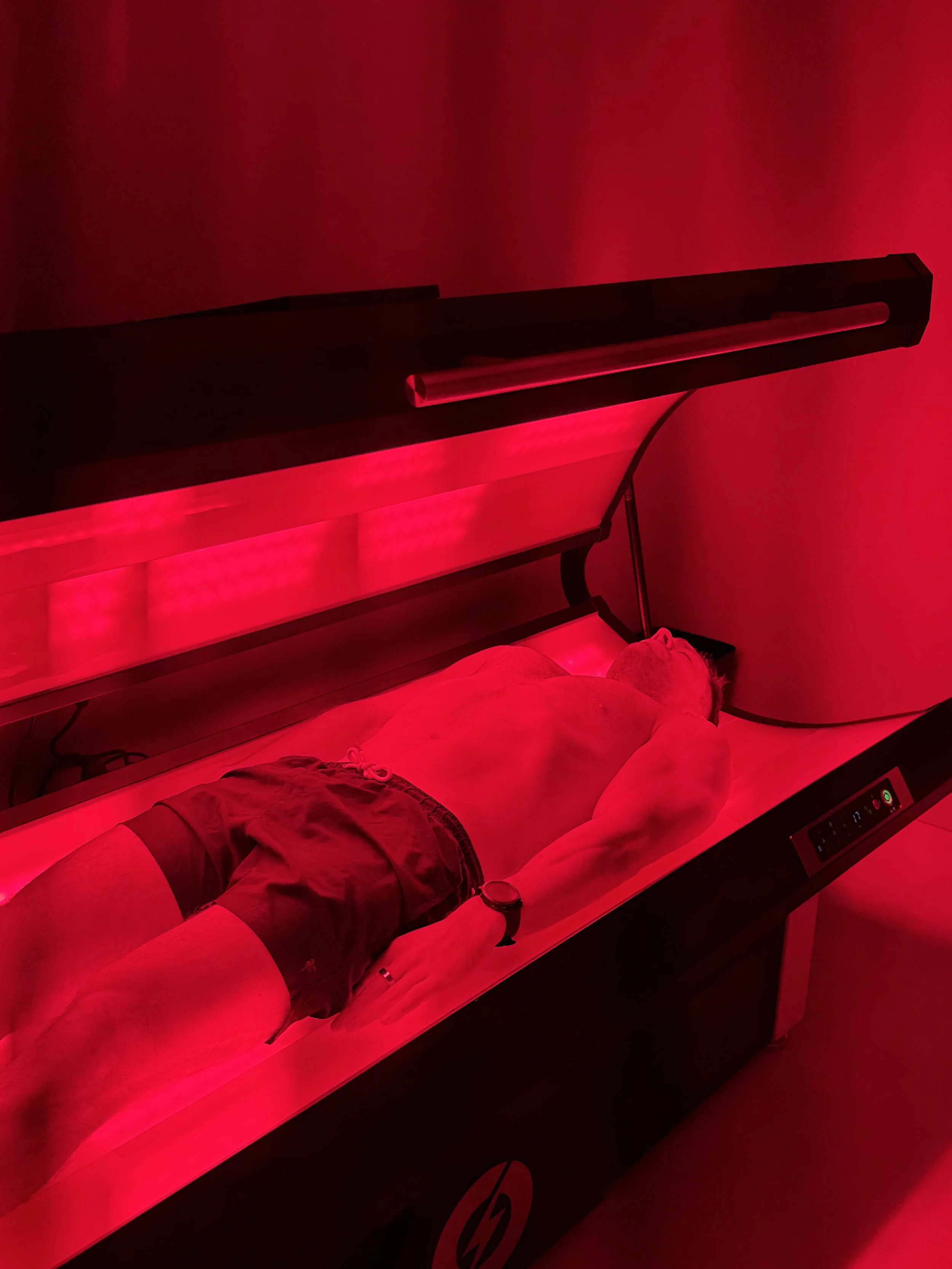
What to expect
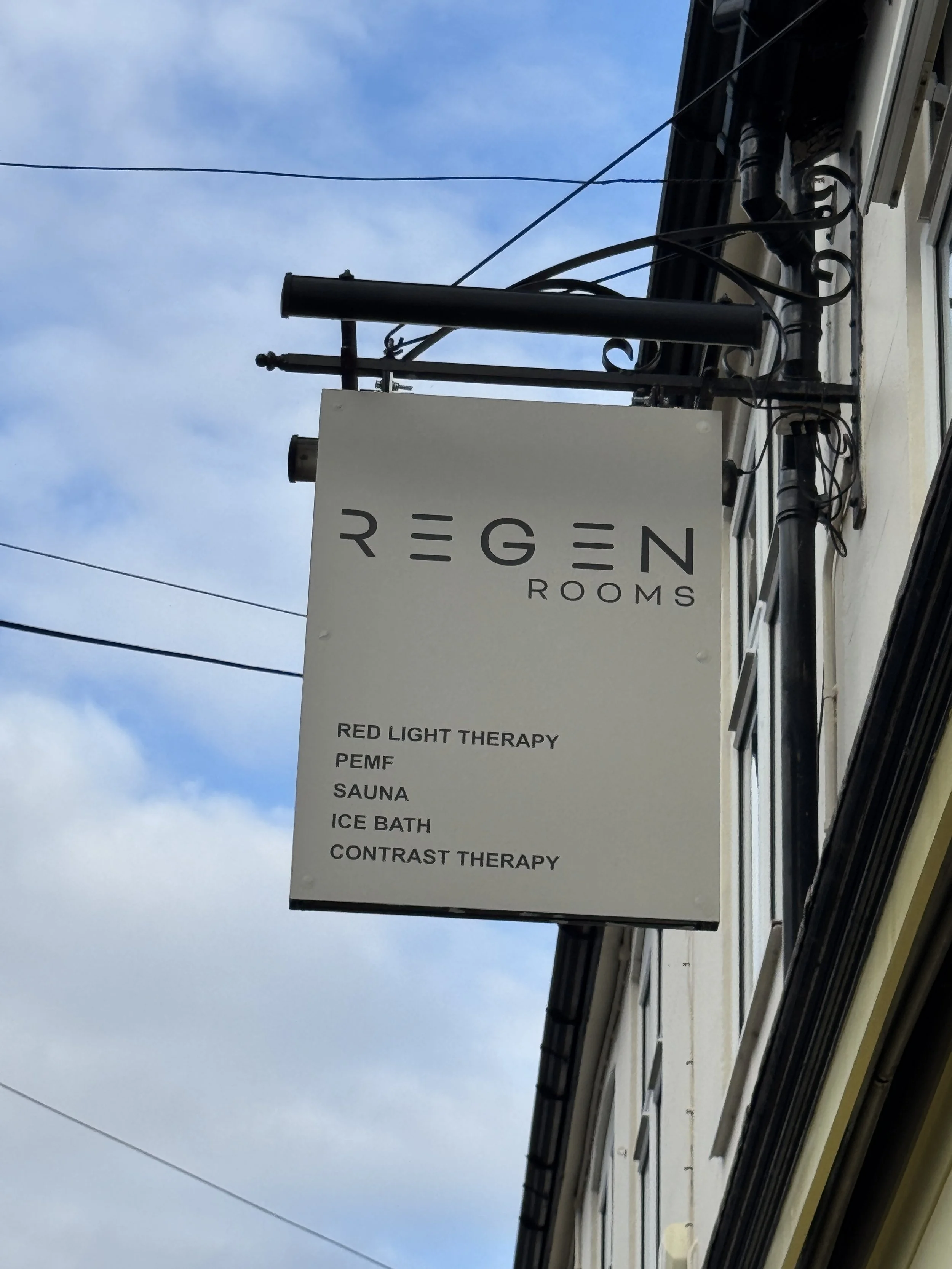
How Red Light Therapy Is Used at ReGen Rooms
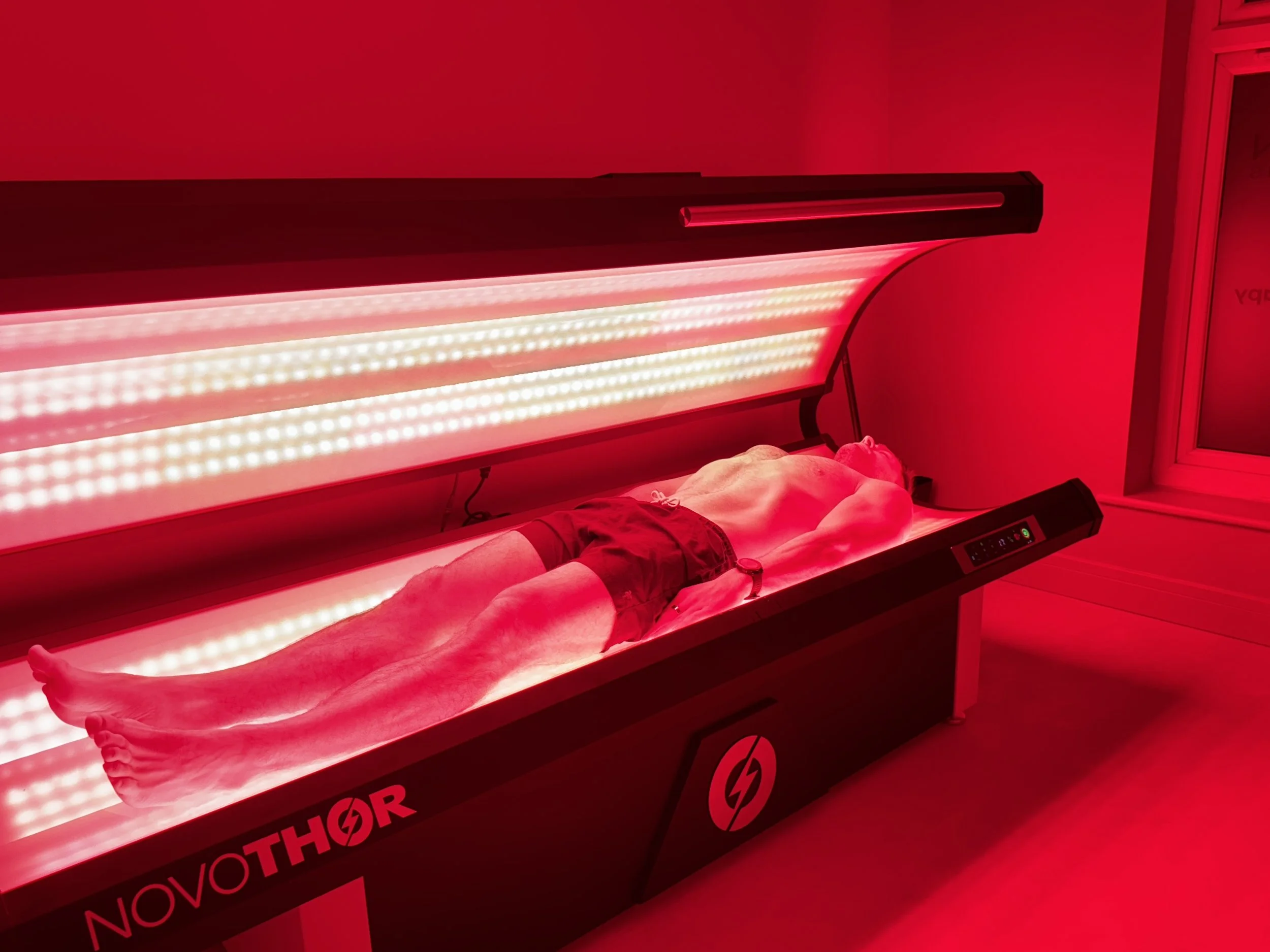
At ReGen Rooms, red light therapy is delivered using full-body, medical-grade systems to support consistent exposure and effective tissue penetration — without adding load to the joint.
Session length
Typically 10–20 minutes, designed to be easy to fit into a busy week.
Non-invasive & non-thermal
No needles, no heat stress, and no joint loading — just comfortable light exposure.
No downtime
Most people return to normal activity immediately after their session.
Stacks well with recovery therapies
Can be combined with other recovery-focused modalities depending on your goals and tolerance.
Together, Celler8 and NovoTHOR allow us to support skin health both locally and systemically, combining precision treatments with full-body photobiomodulation for a more complete, evidence-led approach.
Our Equipment
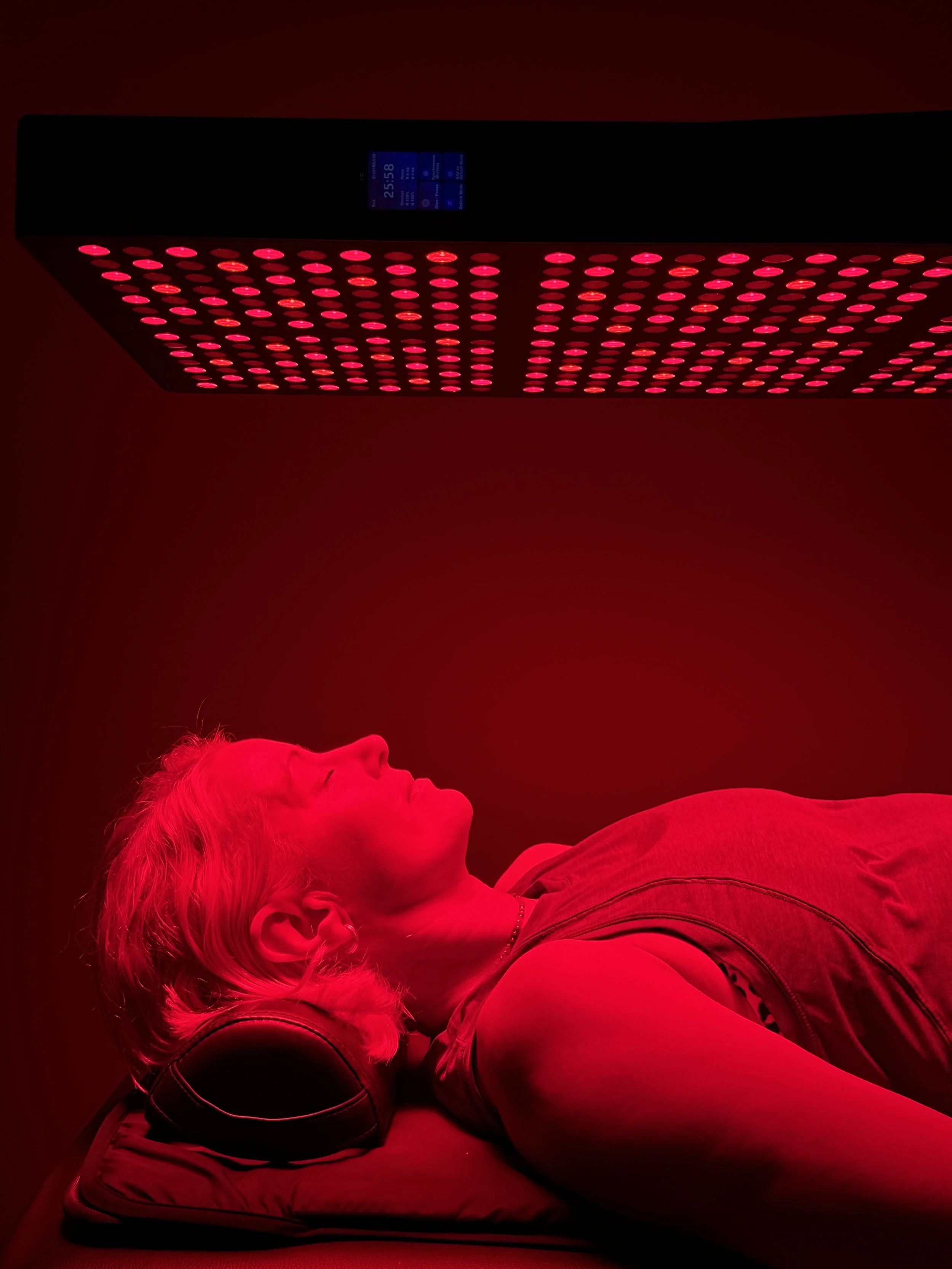
Celler8 LED Light Therapy
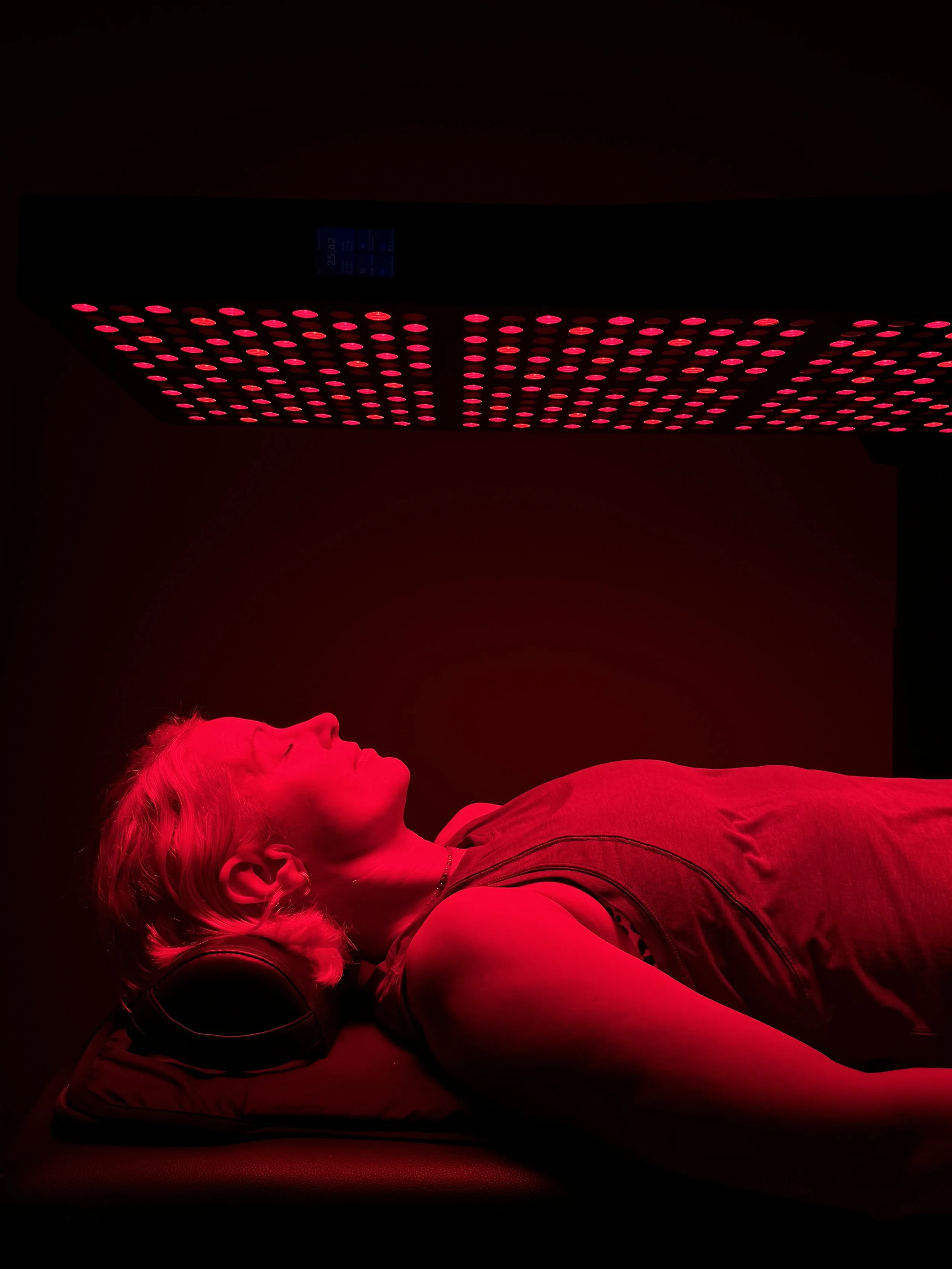
Red & Blue Light Therapy + PEMFCeller8 is a targeted LED light therapy system designed for precision musculoskeletal support. Using carefully calibrated red and near-infrared wavelengths, it allows us to focus treatment on specific joints, tendons or areas of discomfort where accuracy and controlled exposure matter.
This makes Celler8 particularly effective for localised joint pain, tendon or ligament irritation, inflammation and post-injury recovery, as well as supporting areas that are slow to settle or prone to flare-ups.
Sessions are comfortable, non-invasive and non-thermal, and can be used alongside movement, rehabilitation or other recovery therapies where appropriate.
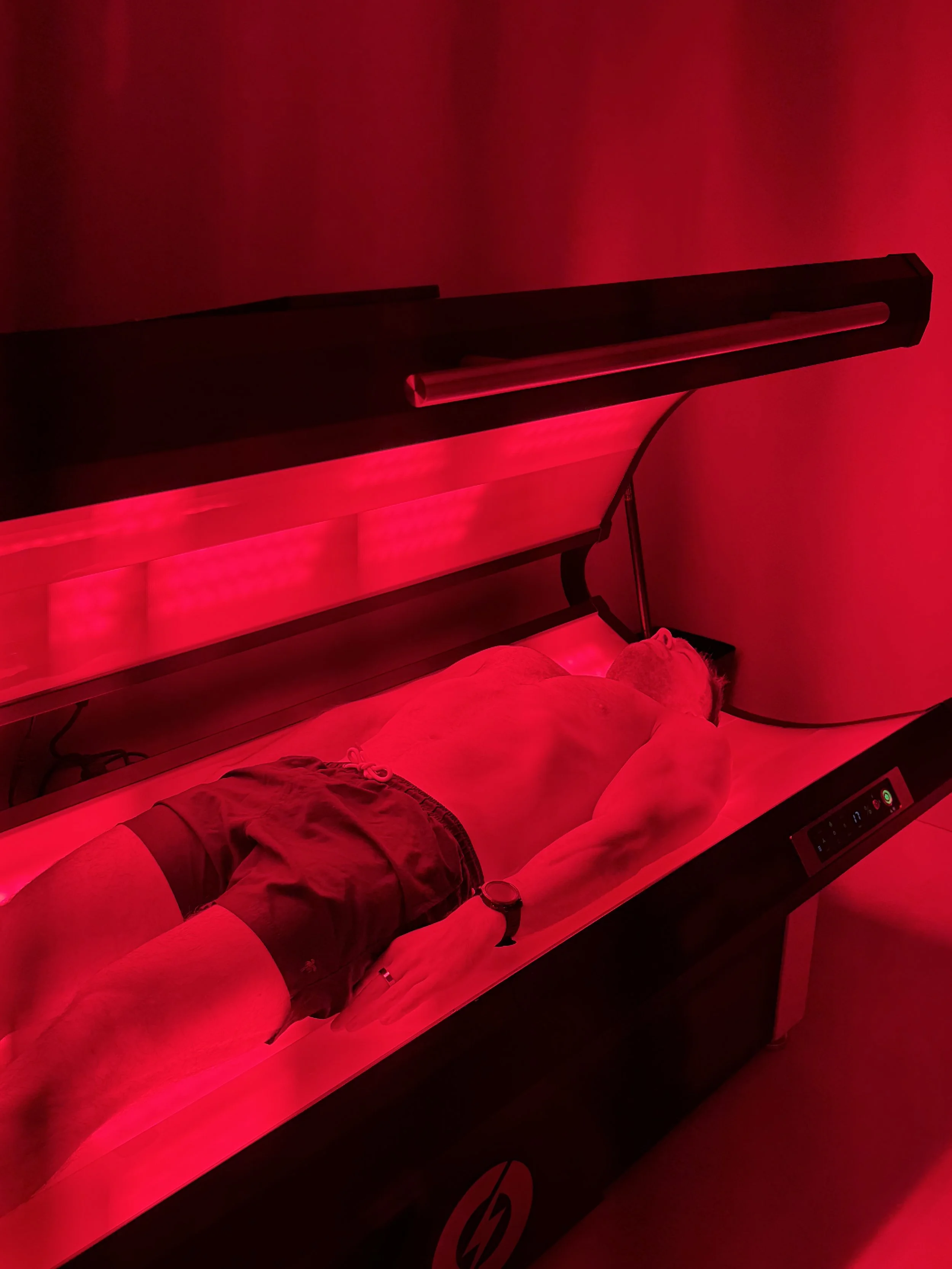
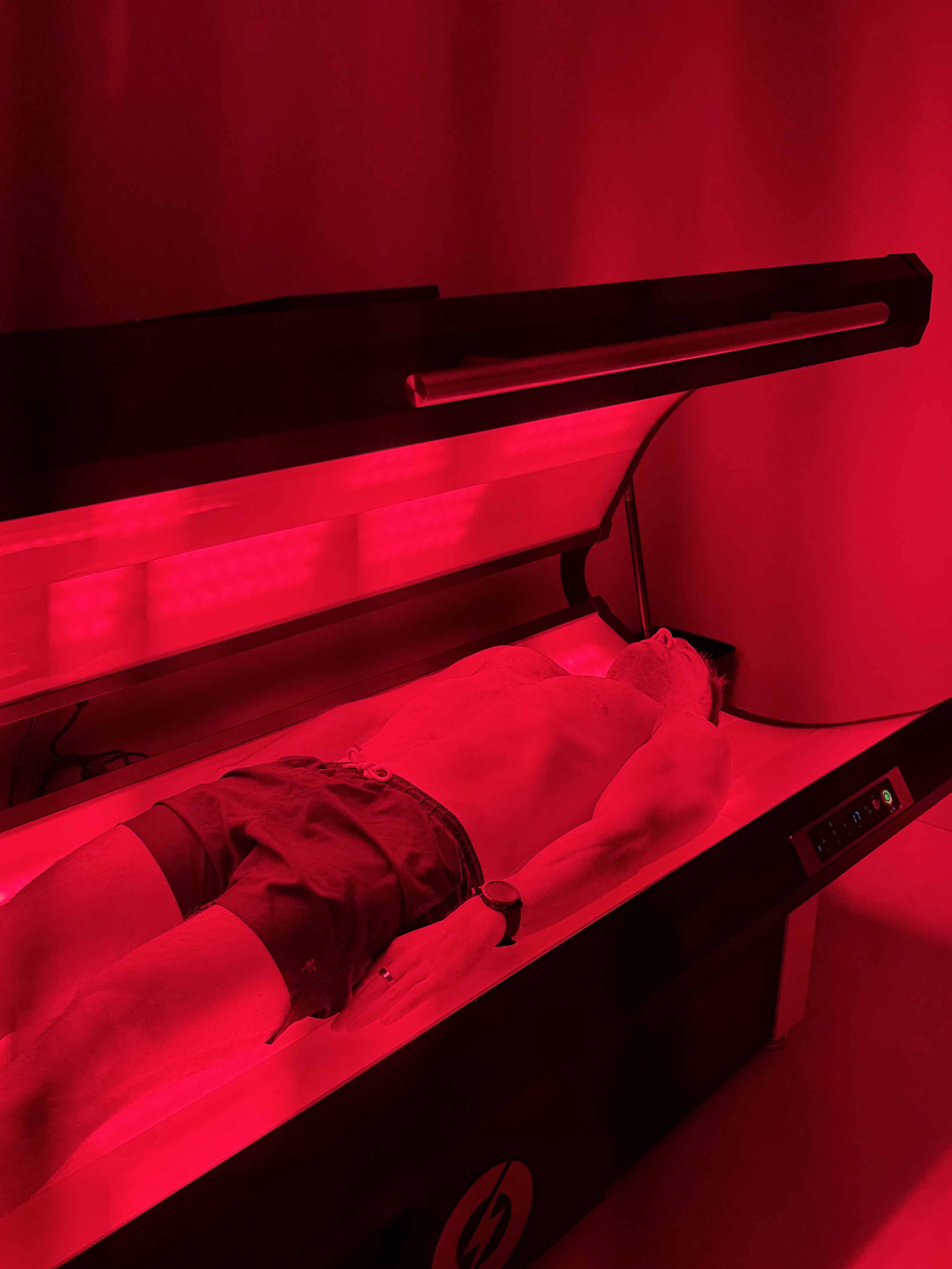
NovoTHOR NovoTHOR is a full-body red and near-infrared light therapy system designed to support bone and joint health at a systemic level. By delivering clinically consistent wavelengths across the entire body, NovoTHOR helps optimise cellular energy, circulation and inflammatory balance - all of which directly influence joint function, comfort and recovery capacity.
Whole-body photobiomodulation is often used to complement targeted joint treatments, supporting overall musculoskeletal resilience, recovery and load tolerance from the inside out.
NovoTHOR sessions are calm, non-thermal and low-load, making them suitable for individuals who need joint support without adding physical stress.
NovoTHOR XL Whole-Body Red Light
Full Body Red Light Therapy
-
Clinical studies support its role in reducing pain and improving joint function when used consistently and appropriately.
-
Getting started is simple. Reach out through our contact form or schedule a call—we’ll walk you through the next steps and answer any questions along the way.
-
Yes. Research supports its use for improving pain, stiffness and functional outcomes in osteoarthritis when used as part of a broader management approach.
-
No. Red light therapy is a supportive therapy, designed to complement appropriate medical or rehabilitative care.
Frequently Asked Questions
Safety & Session Essentials
-
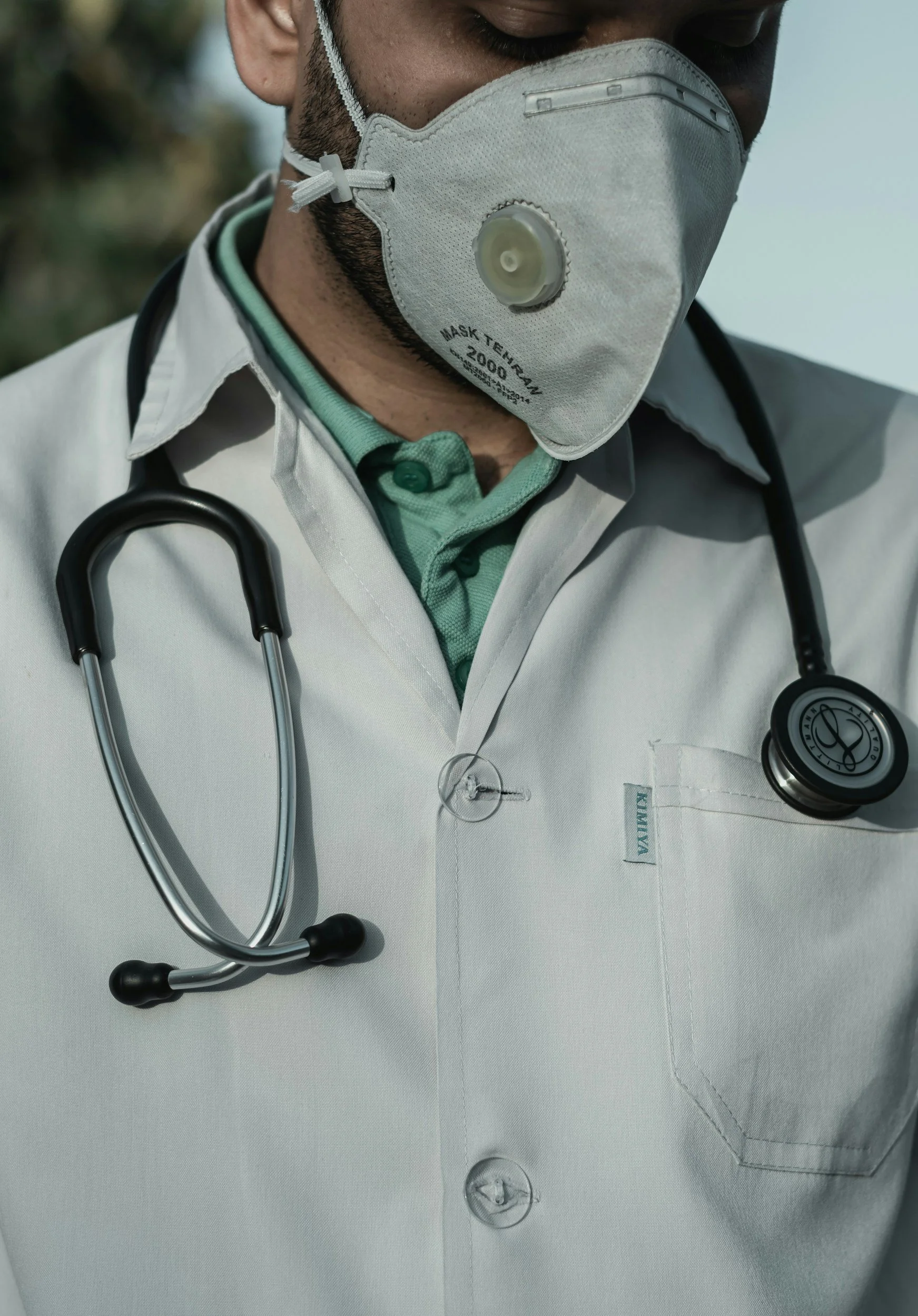
![Medical professional with stethoscope representing clinical research and safety of photobiomodulation therapy.]()
Consult Your Healthcare Professional
CHECK BEFORE STARTING
If you’re pregnant, on light-sensitive medication, or managing a medical condition, consult your doctor before starting NovoTHOR Red Light Therapy. Your provider may recommend adjusting session length or frequency for optimal safety.
-
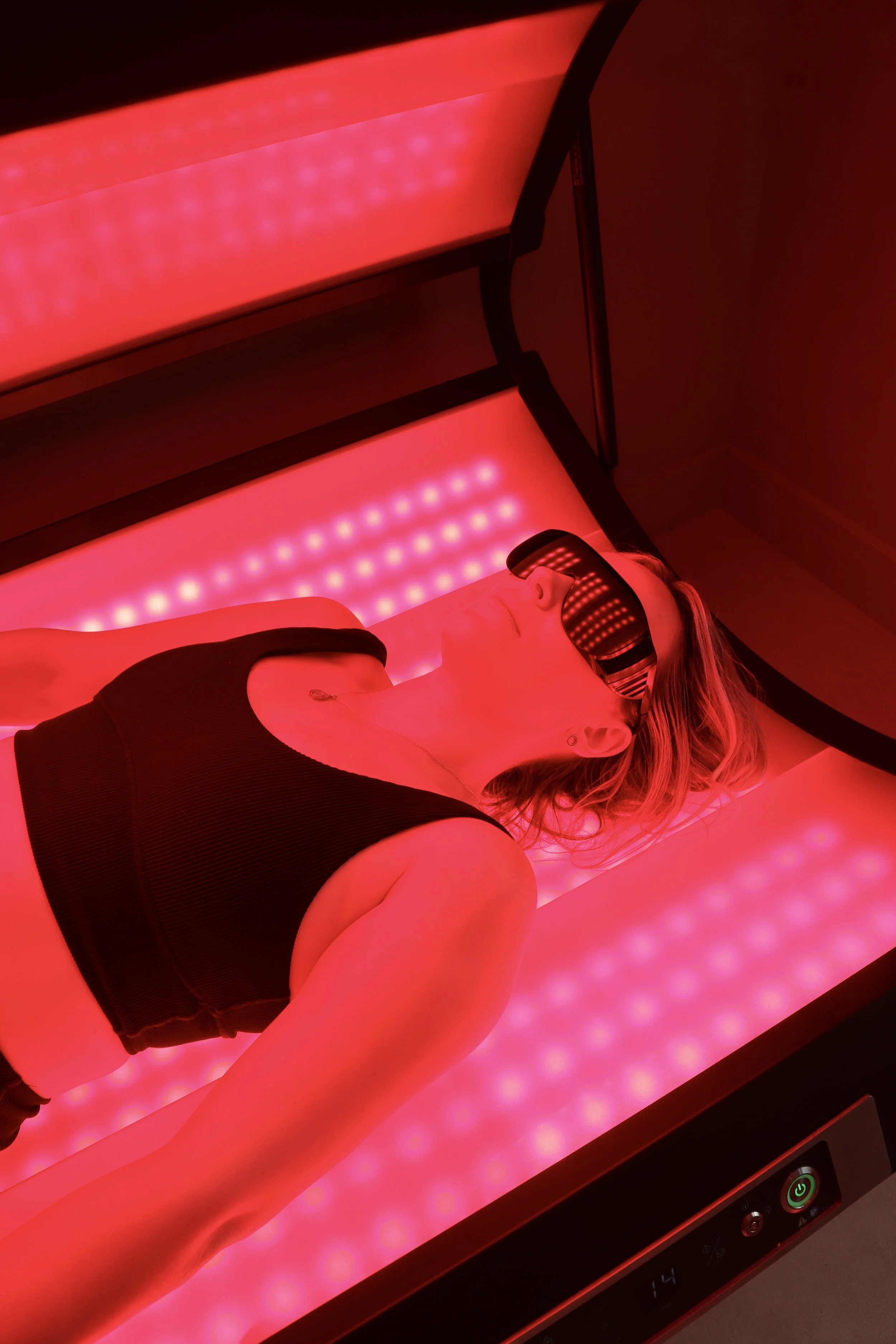
![Woman receiving NovoTHOR red light therapy wearing protective eyewear during full-body photobiomodulation session.]()
Protect Your Eyes
COMFORT AND PROTECTION
Although NovoTHOR uses safe light, prolonged exposure may cause eye strain. Wear protective eyewear or keep your eyes closed for comfort and safety.
-
![Hourglass symbolising optimal session time and frequency for NovoTHOR red light therapy at ReGen Rooms.]()
Time & Frequency
MONITOR TIME & FREQUENCY
Each session lasts around 17 minutes. More isn’t better, consistent sessions deliver the best recovery and performance results.
-
![Close-up of water glass representing hydration benefits before and after red light therapy treatment.]()
Stay Hydrated
SUPPORT CELLULAR HEALTH
Drink water before and after your treatment. Hydration helps your body absorb red light and improves circulation and energy output.
-
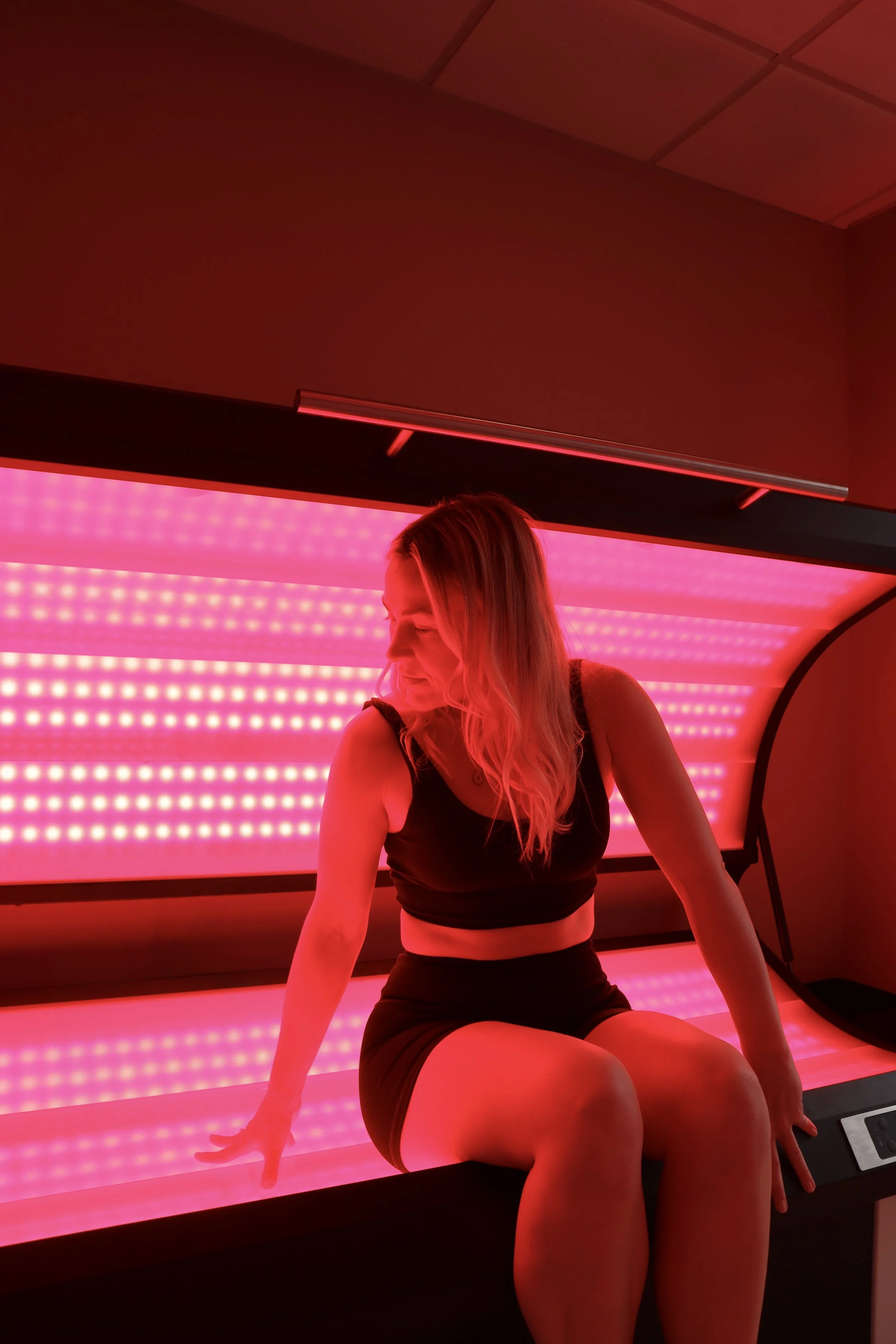
![Woman inside NovoTHOR red light therapy bed at ReGen Rooms, promoting awareness and body recovery.]()
Listen to Your Body
TUNE IN AND ADJUST
Mild warmth or redness is normal. If you feel dizziness or discomfort, pause and inform your ReGen therapist to tailor your next session.
-
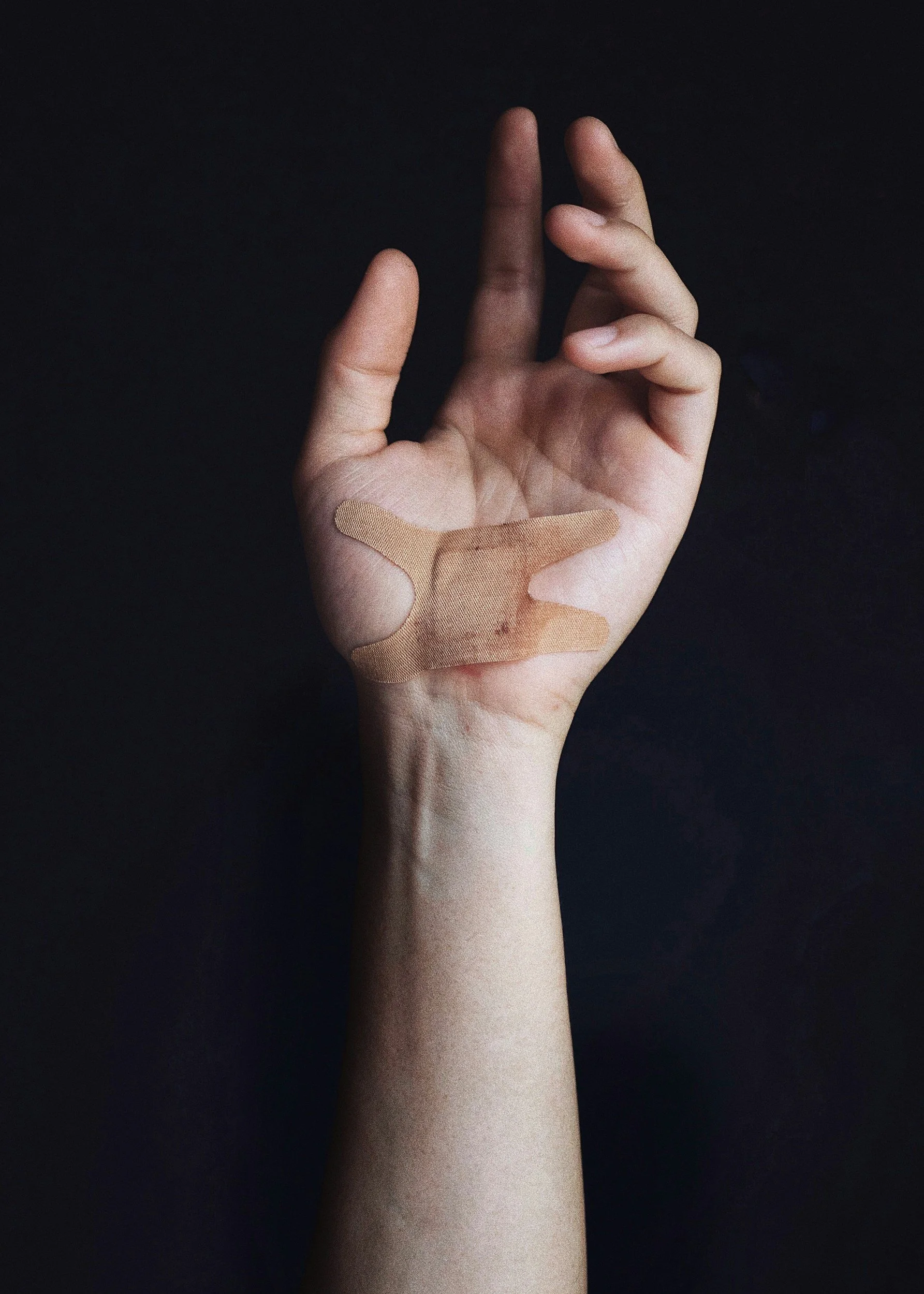
![Close-up of a hand with a plaster, representing the importance of avoiding red light therapy on open wounds or fresh scars.]()
Avoid Use on Open Wounds
HEAL BEFORE LIGHT
Avoid direct exposure on open wounds or fresh surgical scars. Once healed, light therapy can safely support tissue repair.
-
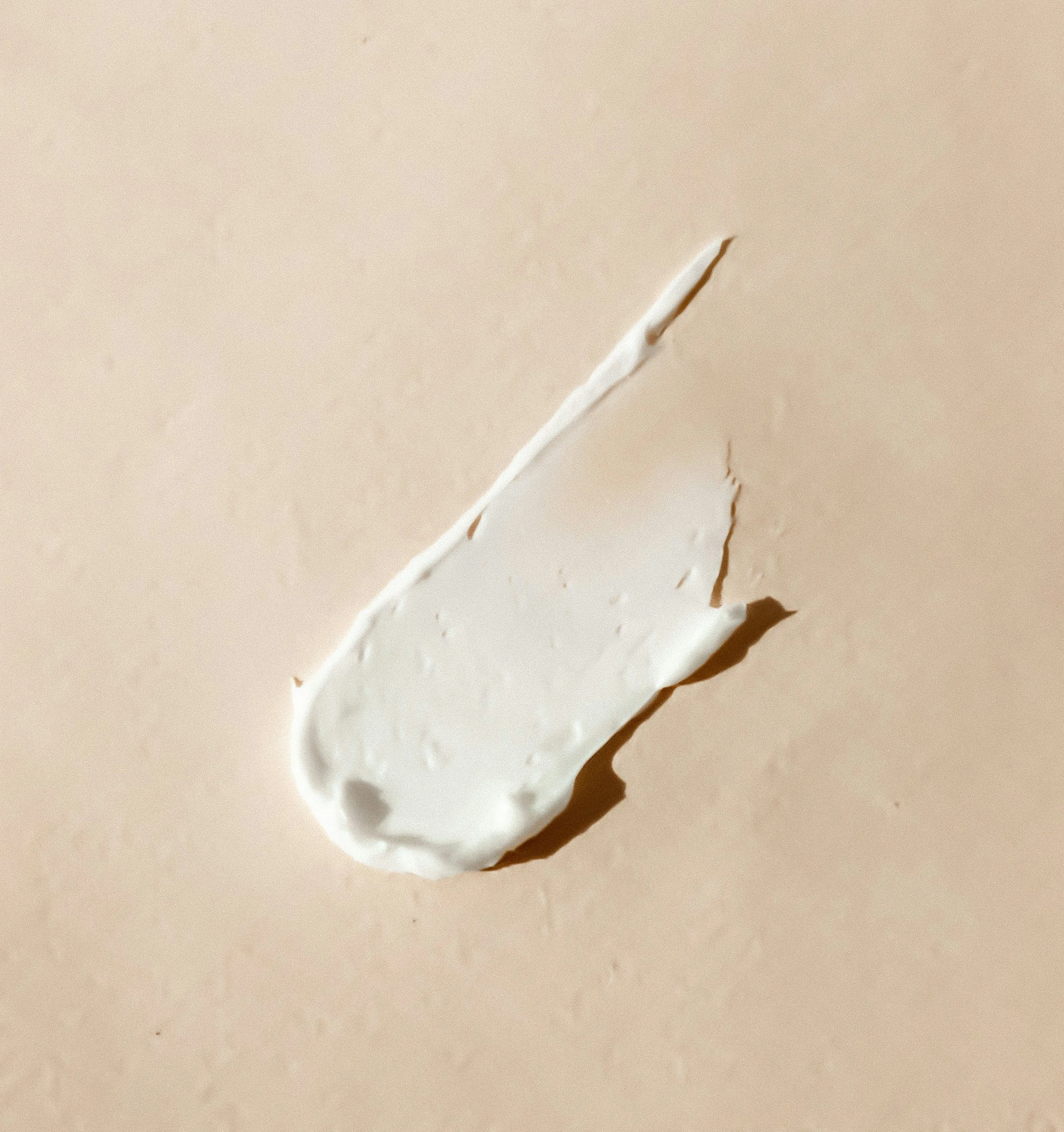
![Skincare cream smear on neutral background, illustrating clean skin preparation before NovoTHOR red light therapy.]()
No Lotions or Suncreams
CLEAN SKIN ONLY
Lotions, sunscreen, and makeup block light absorption. Attend your session with clean, product-free skin for best results.
-
![Close-up of a home radiator symbolising heat and energy transfer, concept for red light and infrared therapy.]()
Post-Therapy Care
REST AND RECOVER
After your session, let your body process the benefits. Avoid saunas, sun, or heat treatments for several hours to prevent irritation.
Featured ReGen Articles, Top Tips & Advice
Read our latest guides on red light therapy, contrast therapy, recovery techniques and wellness optimisation — written to help you improve your health, performance and everyday energy.