
Red Light Therapy vs Infrared Sauna: Which Is Better for Recovery and Fatigue?
Which Recovery Therapy Is Right for You - and Why the Answer Isn’t Always Obvious
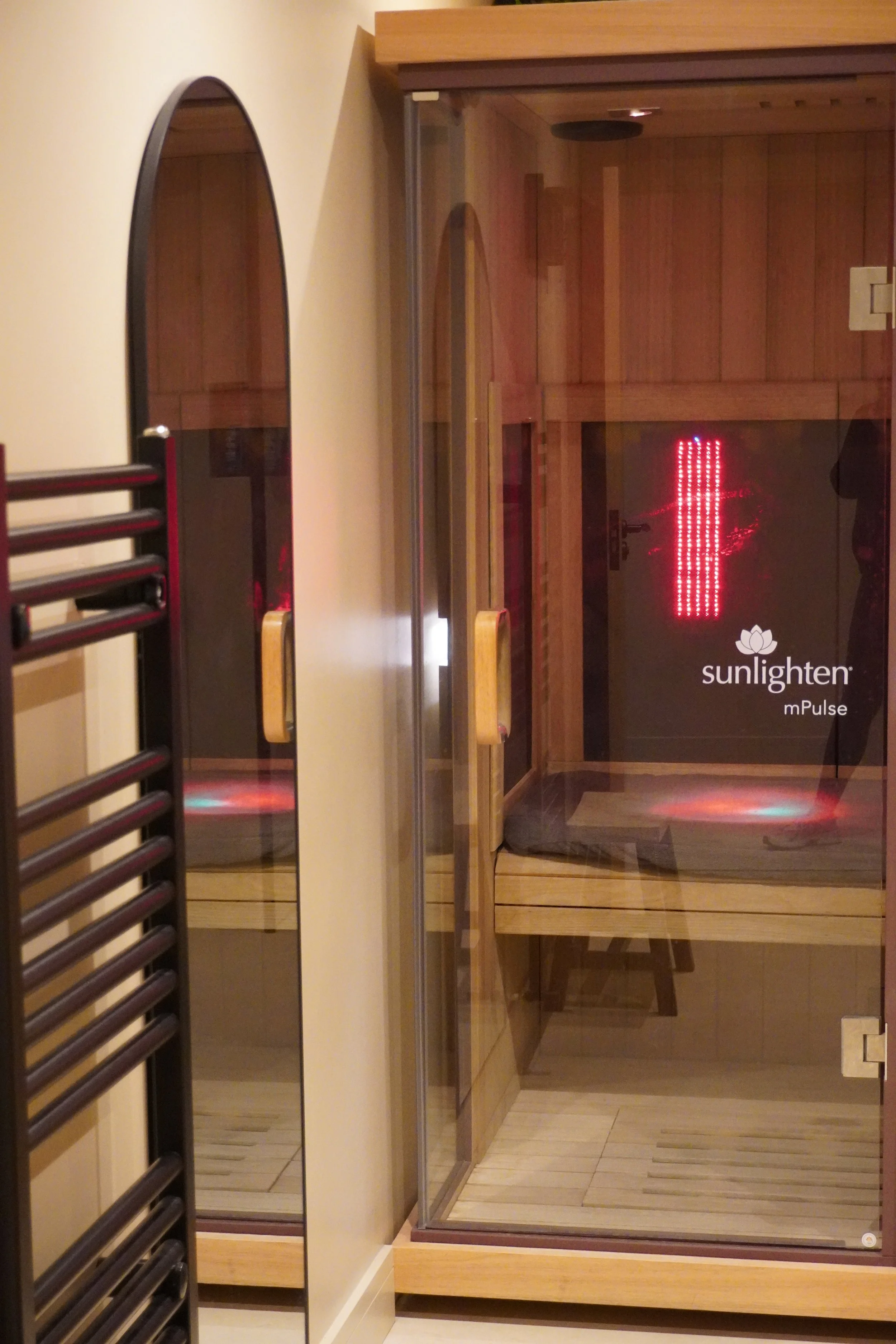
Infrared sauna therapy delivers heat-based stress to support circulation, detoxification and muscle recovery.
Red light therapy and infrared sauna are often grouped together under the umbrella of “recovery” or “wellness” therapies. Both are non-invasive. Both are widely used in performance, health and longevity settings. And both are increasingly sought out by people dealing with fatigue, stress, pain and slow recovery.
But despite being mentioned in the same conversations, they work through very different biological pathways - and choosing between them isn’t always straightforward.
Understanding the distinction can make the difference between feeling temporarily better and achieving meaningful, lasting recovery.
Why Comparing These Therapies Matters
Many people arrive at recovery clinics already convinced that something will help - but unsure what.
This often leads to questions like:
“Should I be doing red light therapy or sauna?”
“Is one better for fatigue?”
“What if I feel worse after heat?”
“Can I do both?”
These are good questions - because the right choice depends less on trends, and more on how your body is currently functioning.
How Red Light Therapy Works (At a Cellular Level)
Red light therapy, also known as photobiomodulation, works by delivering specific red and near-infrared wavelengths into tissue. These wavelengths interact directly with mitochondria, the structures responsible for producing ATP - the body’s usable energy.
At a physiological level, red light therapy is associated with:
Improved mitochondrial efficiency
Increased ATP availability
Reduced oxidative stress
Modulation of inflammatory signalling
Improved microcirculation
This is why red light therapy is frequently discussed in relation to low energy, burnout and fatigue, where cellular energy production is often impaired.
We explore this in more detail in our article on red light therapy for burnout and low energy, where mitochondrial dysfunction and nervous system fatigue are central themes.
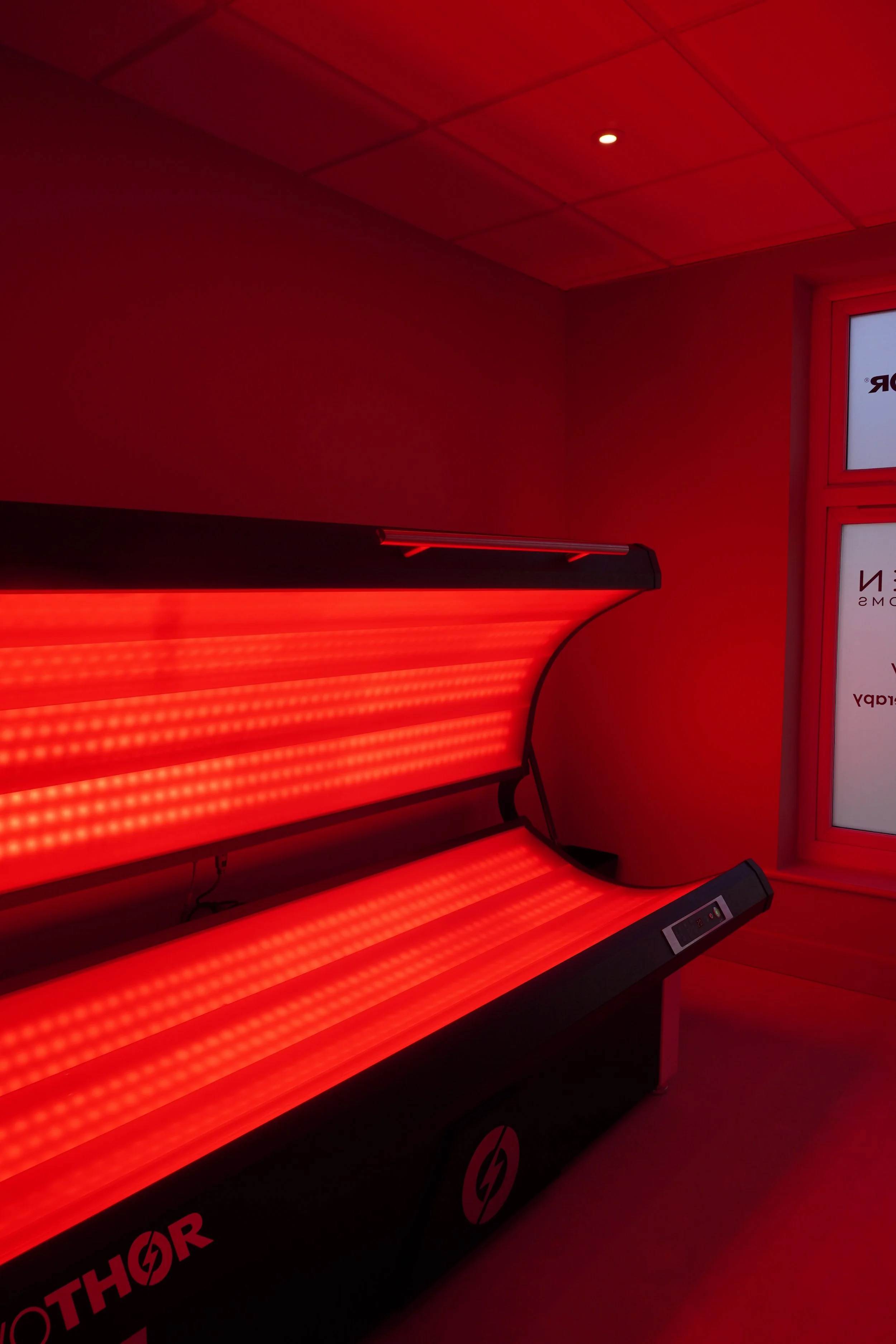
Whole-body red light therapy supports cellular energy production without adding metabolic stress.
How Infrared Sauna Works (Systemically, Not Cell-Specifically)
Infrared sauna therapy works through an entirely different mechanism.
Rather than targeting mitochondria directly, infrared heat penetrates tissue to raise core temperature, triggering a cascade of systemic responses, including:
Increased circulation
Heat shock protein activation
Sweating and fluid movement
Metabolic and cardiovascular demand
Infrared sauna places a controlled stress on the body. For many people, this is beneficial — particularly when the system is resilient and able to adapt.
This is why sauna therapy is often associated with:
Muscle recovery
Circulatory health
Cardiovascular conditioning
Relaxation after exertion
However, heat is still a stressor - and not all bodies respond to it in the same way.
Fatigue, Burnout and the Nervous System Factor
One of the most important differences between these therapies lies in how they interact with the nervous system.
For individuals experiencing burnout, chronic stress or nervous system fatigue, the body is often already operating in a heightened sympathetic (fight-or-flight) state.
In these cases:
Additional stress - even “good stress” - can feel overwhelming
Heat exposure may worsen fatigue or dizziness
Recovery may feel delayed rather than supported
This is explored further in our article on how the nervous system controls recovery, where we explain why some people struggle to tolerate stress-based therapies during periods of depletion.
Red light therapy, by contrast, does not rely on inducing stress. It supports recovery by improving cellular efficiency, which can make it more appropriate during periods of low resilience.
When Red Light Therapy May Be the Better Starting Point
Red light therapy is often better suited when:
Energy levels are persistently low
Recovery feels slow despite rest
Sleep is disrupted
Heat intolerance is present
The nervous system feels “stuck on”
Because it works at a cellular level without significantly increasing metabolic demand, it can be introduced gently and consistently — a key factor in burnout recovery.
Whole-body systems such as the NovoTHOR® red light therapy bed, used at ReGen Rooms, are designed to support systemic recovery rather than isolated symptoms, which is particularly relevant when fatigue is global rather than localised.
When Infrared Sauna May Be More Appropriate
Infrared sauna may be more suitable when:
Energy reserves are relatively stable
The body tolerates heat well
Circulation and muscle recovery are priorities
Stress resilience is higher
For some individuals, sauna therapy becomes more beneficial later in the recovery journey, once baseline energy and nervous system regulation have improved.
This is why sauna is often positioned as a complementary therapy rather than a starting point for those experiencing burnout.
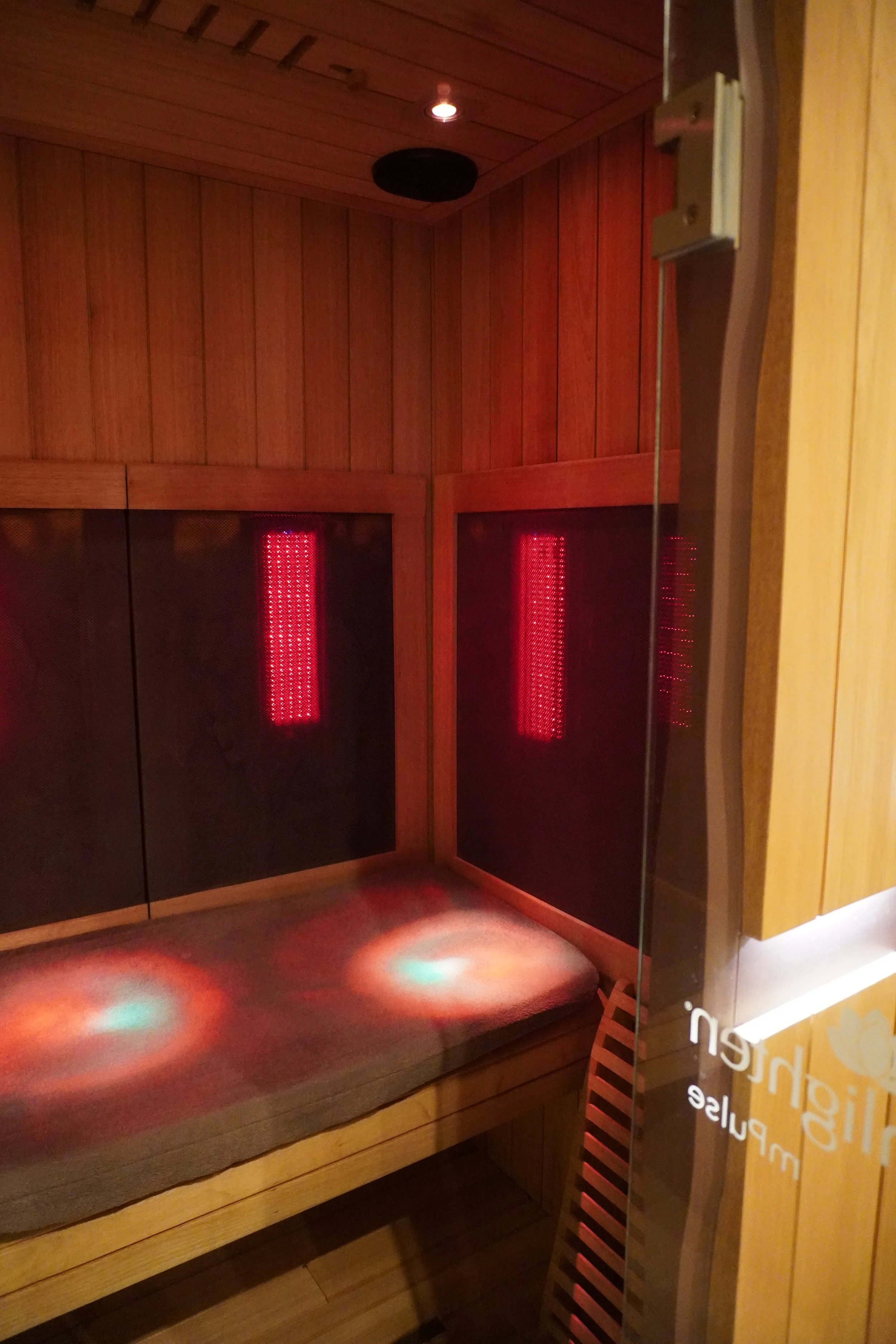
Infrared sauna sessions place controlled heat stress on the body to encourage adaptation and recovery.
Can You Use Red Light Therapy and Infrared Sauna Together?
Yes - but timing and order matter.
Many people benefit from:
Red light therapy first, to support cellular energy and recovery capacity
Sauna later, once tolerance and resilience improve
This staged approach helps avoid overwhelming a system that is already under strain.
At ReGen Rooms, recovery strategies are often tailored rather than prescriptive, recognising that more is not always better, especially early on.
Why Equipment and Delivery Matter
Just as sauna experiences vary widely, so does red light therapy.
Whole-body systems like NovoTHOR differ significantly from smaller panels or cosmetic devices in their ability to deliver consistent, evenly distributed wavelengths across the entire body.
This distinction is important when comparing therapies - because effectiveness depends not only on what you do, but how it’s delivered.
Choosing the Right Therapy Is About Context, Not Trends
There is no universally “better” therapy — only therapies that are more or less appropriate depending on the individual and their current physiological state.
Understanding whether your body needs:
Cellular support
Nervous system regulation
Circulatory stress
Or a combination, over time
…is far more valuable than chasing the latest recovery trend.
-
Both are considered safe when used appropriately. Red light therapy tends to be better tolerated during periods of fatigue or burnout, while sauna places a greater physiological demand on the body.
-
In some cases, yes - particularly if the nervous system is already overstimulated or energy reserves are low.
-
Red light therapy is often better suited for low energy, as it supports mitochondrial function without increasing metabolic stress.
-
No. Many people use different therapies at different stages of recovery, depending on how their body responds.
Making an Informed Choice
Recovery works best when the therapy matches the body’s current capacity - not when it forces adaptation prematurely.
Understanding the differences between red light therapy and infrared sauna allows you to choose an approach that supports recovery rather than adding another layer of stress.
If you’re exploring recovery options, this article sits alongside our deeper guides on burnout, nervous system health and fatigue to help you make informed, evidence-led decisions.
Exploring Recovery Options?
If you’re unsure whether red light therapy or infrared sauna is the right place to start, understanding how your body responds is key.
At ReGen Rooms, recovery therapies are designed to work with the nervous system, not against it — using evidence-led approaches tailored to individual needs.
