
How Red Light Supports Hair Growth from the Root
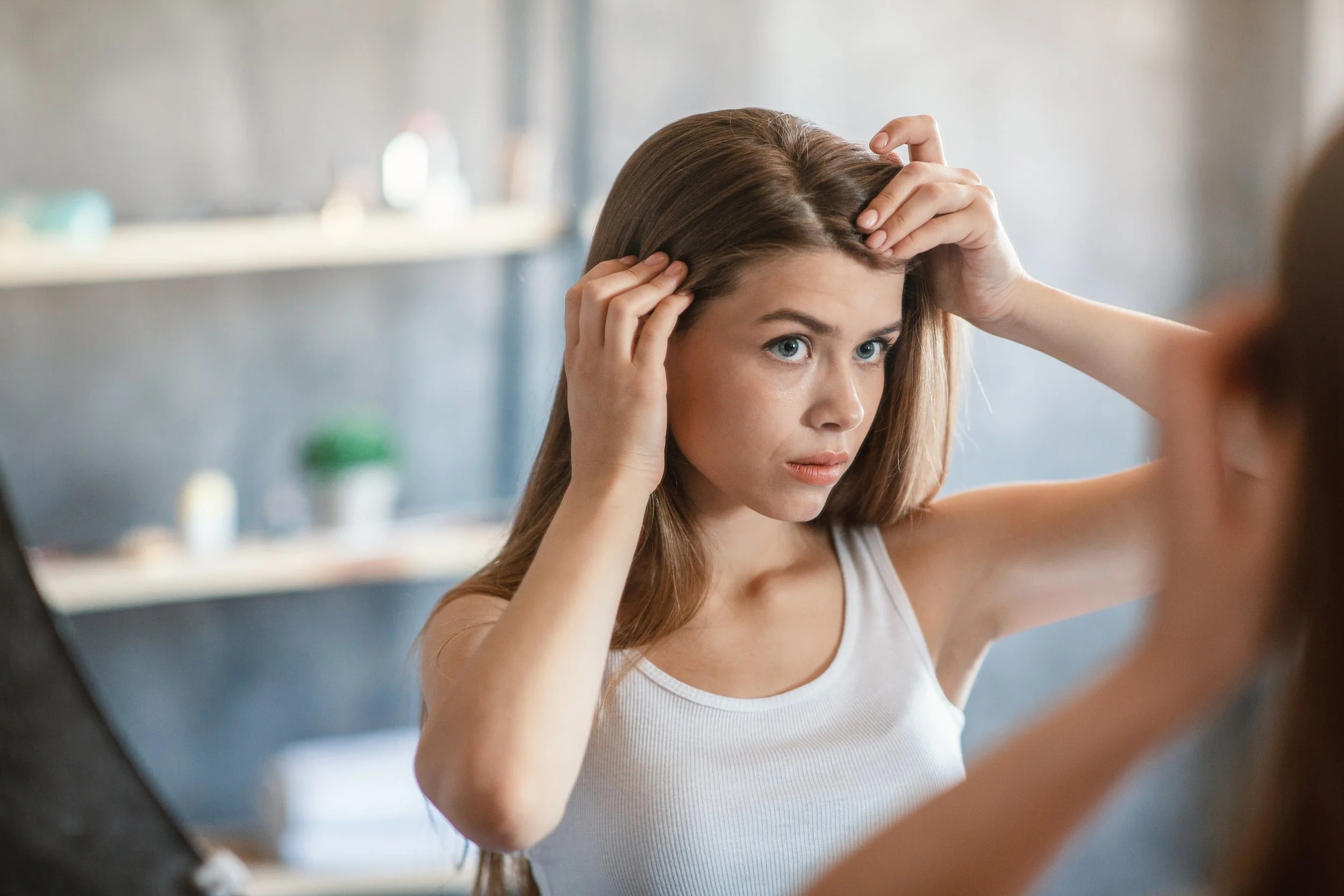
Healthy hair starts with a healthy scalp.
When we think about hair care, most of the attention goes to the hair itself: shampoos, conditioners, oils, masks and styling products. But beneath every strand is a living hair follicle surrounded by skin, blood vessels, immune cells and supporting tissue.
The condition of this environment can influence how well the follicle functions. Persistent inflammation, irritation and certain scalp disorders can all interfere with normal hair cycling and, in some cases, contribute to increased shedding.
At ReGen Rooms in Leamington Spa, our NovoTHOR XL delivers red and near-infrared light across the entire body. But what does the science actually tell us about light, scalp health and the environment surrounding the hair follicle?
Identifying the Root Cause.
Each hair grows from a follicle embedded within the skin of the scalp.
These follicles are highly active structures. During the growth phase of the hair cycle — known as the anagen phase — cells within the follicle divide rapidly to produce the hair shaft.
For this process to function normally, follicles depend on adequate cellular energy, signalling molecules and a healthy surrounding tissue environment.
Several factors can disrupt this balance, including:
Chronic scalp inflammation
Seborrhoeic dermatitis and dandruff
Psoriasis
Hormonal changes
Oxidative stress
Nutritional deficiencies
Ageing
Stress
Genetic susceptibility to hair loss
This is why simply treating the visible hair doesn't always address what is happening underneath it.
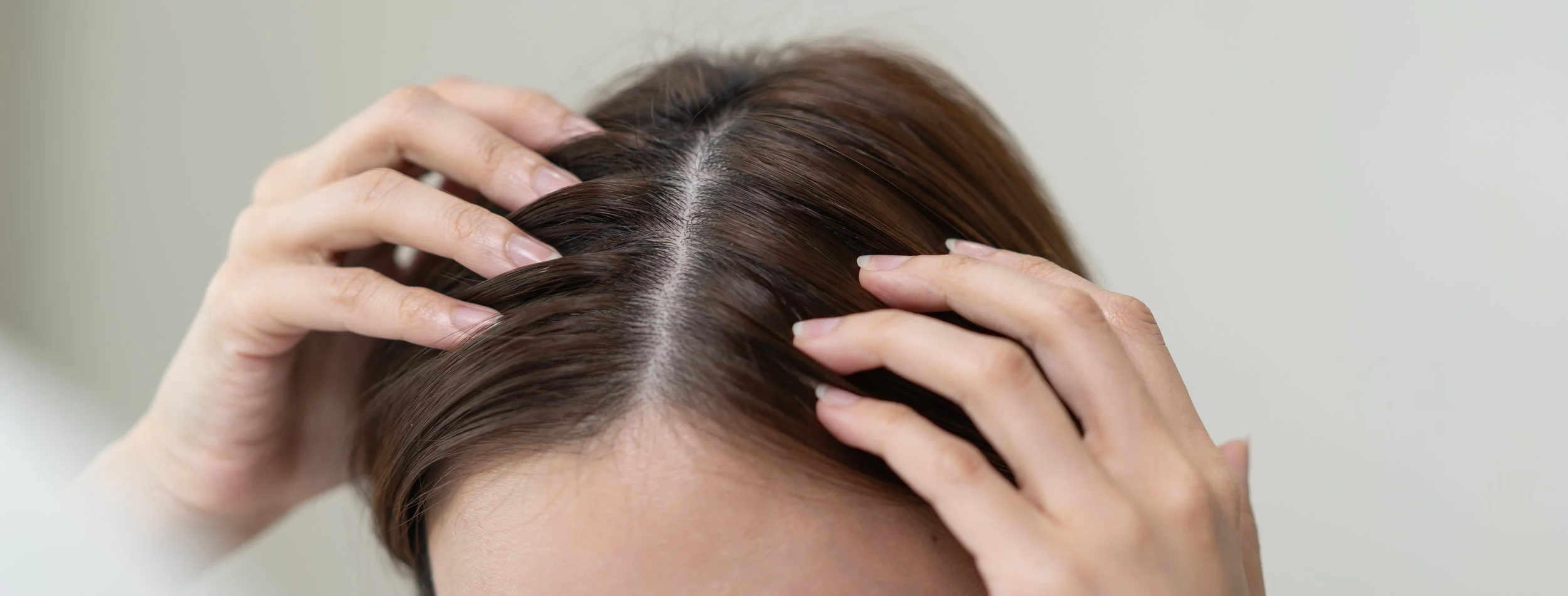
Red Light and the Hair-Growth Cycle.
Hair doesn't continuously grow at the same rate. Every follicle moves through a repeating cycle:
Anagen – active growth
Catagen – transition
Telogen – resting
Exogen – shedding
In androgenetic alopecia — the most common form of pattern hair loss — the anagen phase gradually becomes shorter while follicles progressively miniaturise.
One proposed action of photobiomodulation is helping follicles remain in, or transition towards, the active anagen phase.
Clinical studies using dedicated low-level light devices have reported improvements in hair density and hair counts in men and women with androgenetic alopecia.
Importantly, this doesn't mean red light can create entirely new follicles. The research is much more relevant to supporting follicles that are still biologically active.
That distinction is important when considering red light therapy for hair health.
Red Light and Scalp Inflammation.
Photobiomodulation has demonstrated anti-inflammatory and immunomodulatory effects across a range of tissues.
Rather than simply "switching off" inflammation, PBM appears to influence signalling pathways involved in the inflammatory response.
This could potentially help create a more favourable tissue environment around active follicles, although research specifically examining whole-body red light therapy for inflammatory scalp conditions remains limited.
Conditions such as psoriasis, severe dermatitis, alopecia areata or unexplained scalp inflammation should always be properly assessed rather than relying on red light therapy alone.
Blood Flow to the Scalp.
Hair follicles have a significant metabolic demand during active growth.
At the base of the follicle sits the dermal papilla, which interacts closely with a network of small blood vessels supplying oxygen and nutrients to the growing follicle.
Red and near-infrared light influence nitric oxide signalling and local microcirculation — one possible mechanism through which photobiomodulation may support the tissue surrounding active follicles.
Red Light Therapy vs Hair Products.
Topical products primarily interact with the surface of the scalp or hair shaft. Photobiomodulation works differently.
Red light penetrates into tissue, where it can interact with cells and cellular signalling pathways. That's why red light therapy is a biological treatment rather than simply another cosmetic hair-care product.
It can also be used alongside established hair-loss approaches.
Depending on the cause of thinning, this might include treatments such as minoxidil, prescription therapies, nutritional correction or dermatological treatment.
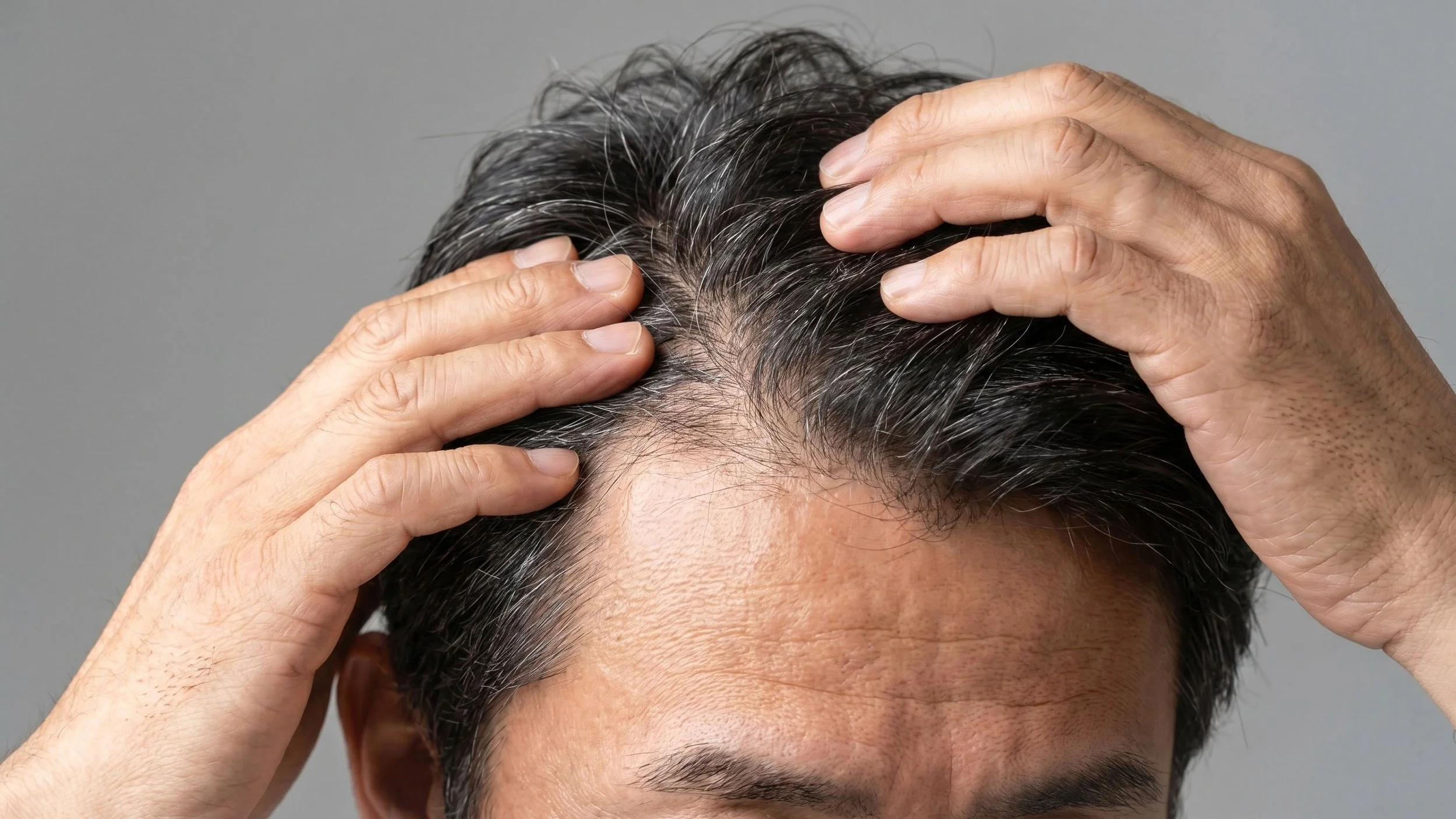
What Does the Research Show?
Some of the strongest clinical evidence relates to androgenetic alopecia, or male and female pattern hair loss.
Randomised controlled trials have found that red-light devices can significantly increase hair counts when used consistently over several months.
A 2014 multicentre, randomised, double-blind study, for example, found a statistically significant improvement in terminal hair density after 26 weeks of treatment in both men and women with pattern hair loss.
Systematic reviews have subsequently concluded that red light therapy appears to be a promising treatment for androgenetic alopecia, providing evidence that appropriately delivered red light can biologically influence active hair follicles.
Wavelength Matters
At ReGen Rooms, our NovoTHOR XL uses two wavelengths:
660 nm red light
850 nm near-infrared light
Different wavelengths penetrate tissue to different depths and interact with tissue differently.
Much of the clinical hair-growth research has focused on red wavelengths in approximately the 630–680 nm range, meaning NovoTHOR's 660 nm red wavelength sits within a range commonly investigated in photobiomodulation research.
The addition of 850 nm near-infrared light provides even deeper tissue penetration.
The Whole-Body Difference
Hair loss doesn't end at the scalp.
Stress, sleep, hormonal changes, nutritional status, illness and overall health can all affect the normal hair cycle.
With NovoTHOR XL, the body is exposed to red and near-infrared light during the same 17-minute session, meaning the scalp isn’t treated in isolation and the patient can receive full body benefits.
Early Action Prevents Permanent Hair Loss
Red light therapy is most effective when hair follicles are still active.
You may benefit from Red light if you are experiencing:
Gradual thinning
A widening part
Reduced hair density
Early-stage pattern hair loss
Increased shedding
Changes in hair quality
Scalp irritation alongside thinning
If an area has been completely bald for many years and follicles have undergone significant miniaturisation, red light therapy is unlikely to suddenly regenerate a full head of hair.
Earlier intervention generally gives active follicles more opportunity to respond.
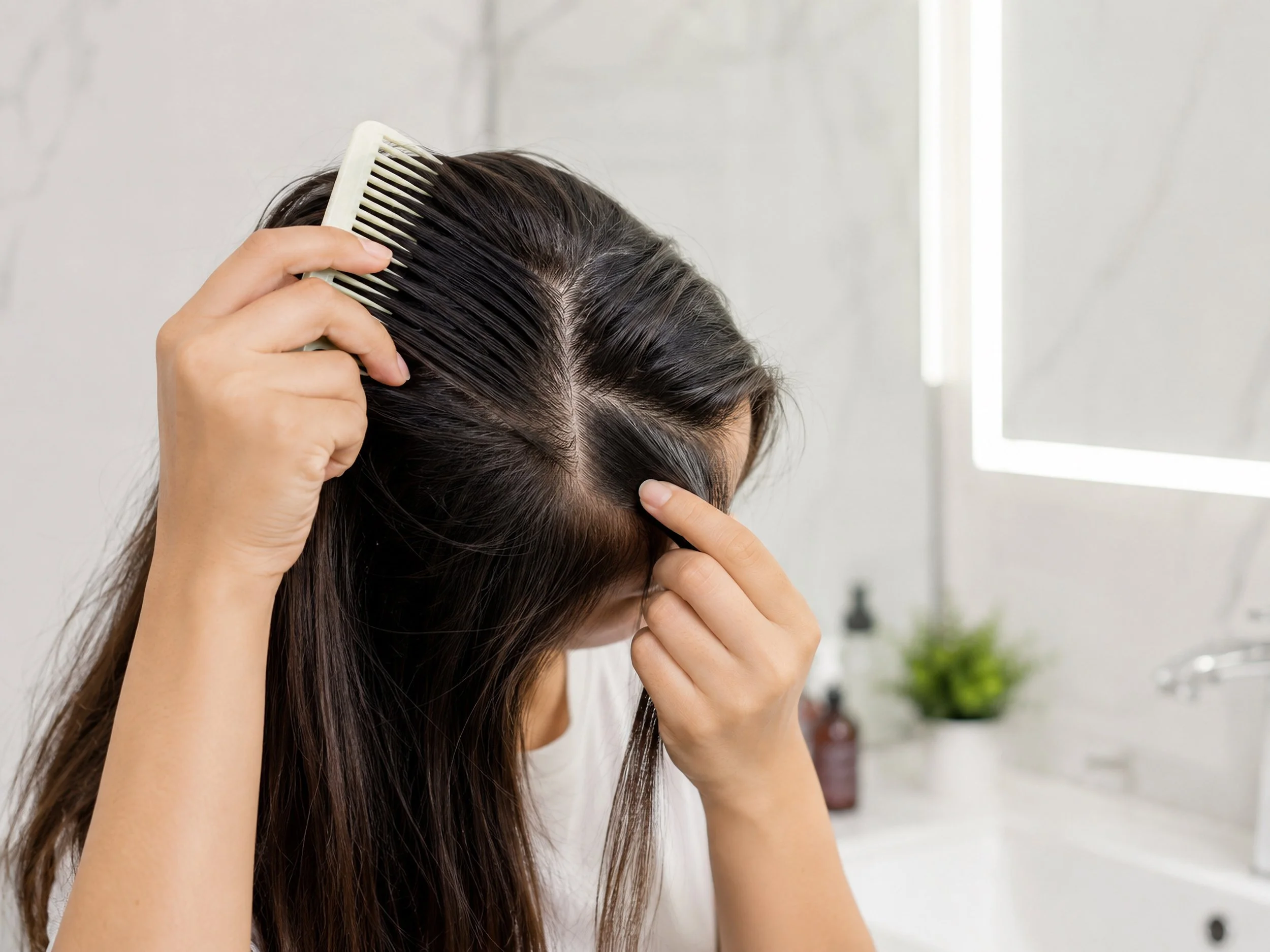
Getting to the Root of the Problem.
Not every case of hair loss is androgenetic alopecia.
Sudden or significant shedding can sometimes indicate something happening elsewhere in the body.
Iron deficiency, thyroid dysfunction, significant calorie restriction, low protein intake, illness, medication, hormonal changes and major physiological or psychological stress can all affect the hair cycle.
Patchy hair loss may also indicate conditions such as alopecia areata.
If you're experiencing unexplained, rapid or severe hair loss, it's important to speak to your GP or a dermatologist first.
Experience NovoTHOR at ReGen Rooms.
Our NovoTHOR XL Red Light Therapy Bed delivers 660 nm red and 850 nm near-infrared light across the body in a 17-minute session.
If you're interested in red light therapy for hair and scalp health, our team can explain how NovoTHOR works, what the current evidence shows and whether it could complement your existing routine.
Book your NovoTHOR session at ReGen Rooms in Leamington Spa.
Frequently Asked Questions…
-
Clinical trials have demonstrated improvements in hair density and hair counts in some people with androgenetic alopecia.
Red light appears most relevant while follicles remain active, so it is less likely to work on completely bald areas.
-
Photobiomodulation influences cellular signalling, inflammation and microcirculation, all of which are relevant to the tissue surrounding hair follicles.
-
Hair grows slowly, so clinical hair studies generally assess results over months rather than days or weeks.
Consistency is important when red light is being used specifically with hair goals in mind.
-
First, consult your GP or dermatologist: Hair loss can have underlying causes, so unexplained, sudden or significant thinning should always be investigated.
NovoTHOR: Aim for 2–3 sessions per week for 4–6 months to allow time for the hair-growth cycle.
Track progress: Take photos every 8–12 weeks in the same lighting and position.
Scalp health: Address persistent dryness, dandruff, irritation or inflammation.
Nutrition: Ensure adequate protein, iron, zinc and vitamin D; supplement deficiencies where appropriate.
Medical treatments: Consider evidence-based options such as minoxidil with professional guidance.
Lifestyle: Prioritise sleep, stress management and a balanced diet.
Ready to support your scalp?
Experience whole-body red and near-infrared light at Regen Rooms, Leamington Spa with the NovoTHOR XL.
Support your scalp while delivering the wider benefits of photobiomodulation in one 17-minute session.
References
Jimenez JJ, Wikramanayake TC, Bergfeld W, et al. Efficacy and Safety of a Low-level Laser Device in the Treatment of Male and Female Pattern Hair Loss: A Multicenter, Randomized, Sham Device-controlled, Double-blind Study. American Journal of Clinical Dermatology. 2014;15(2):115–127.
Lanzafame RJ, Blanche RR, Bodian AB, et al. The growth of human scalp hair mediated by visible red light laser and LED sources in males. Lasers in Medical Science. 2017;32(4):865–873.
Gupta AK, Foley KA. A Critical Assessment of the Evidence for Low-Level Laser Therapy in the Treatment of Hair Loss. Dermatologic Surgery. 2017;43(2):188–197.