
Why Am I Always Tired? 7 Reasons You Feel Drained - Even After Sleeping

You go to bed at a reasonable time. You get seven, eight or even nine hours of sleep. But when the alarm goes off, you still feel as though you could sleep for another three.
Sound familiar?
Feeling tired occasionally is completely normal. But persistent tiredness, low energy or waking up feeling unrefreshed despite getting enough sleep can suggest that there is more going on than simply needing an earlier night.
Sleep duration is only one part of the energy equation. Sleep quality, stress, physical activity, nutrition, hydration, circadian rhythm and underlying health conditions can all influence how energised you feel.
At ReGen Rooms in Leamington Spa, we focus on recovery and wellbeing using technologies including red light therapy, ReOxy IHHT, PEMF therapy, infrared sauna, cold-water therapy and compression therapy.
Here are seven reasons you might be feeling drained - and how to fix it.
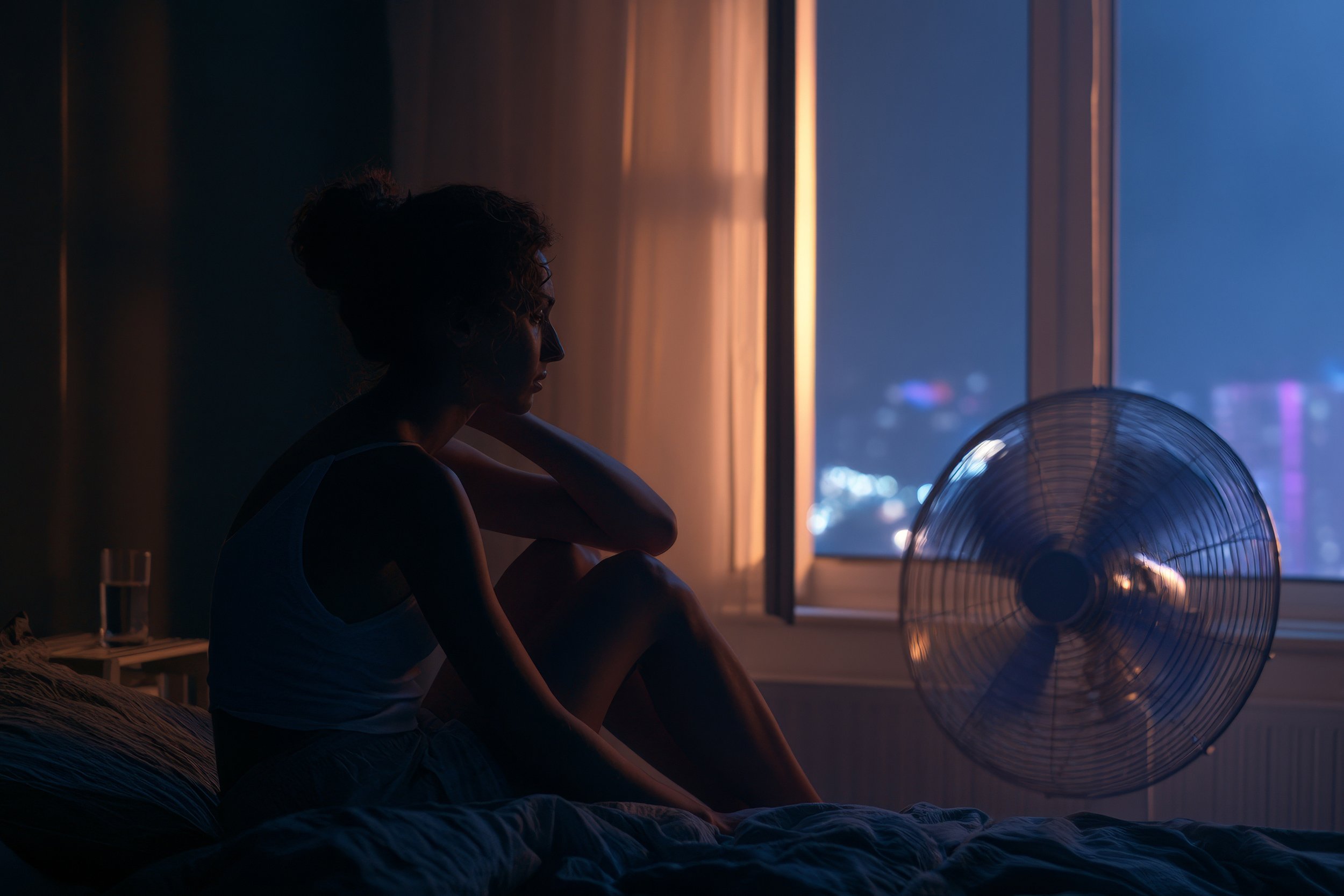
1. You're Sleeping Enough, But Your Sleep Quality Is Poor
Eight hours in bed doesn't necessarily equal eight hours of restorative sleep.
Throughout the night, the brain cycles through different stages of sleep, including deep sleep and REM sleep. These stages play important roles in physical recovery, memory, hormonal regulation and nervous-system function.
Sleep can become fragmented by factors including:
Stress and anxiety
Alcohol
Caffeine, particularly later in the day
An inconsistent sleep schedule
Excessive screen exposure before bed
Temperature and environmental disturbances
Snoring or sleep-disordered breathing
This means it is possible to spend plenty of time asleep but still wake feeling unrefreshed.
How to Fix It
Rather than trying to simply "force" more sleep, supporting relaxation and recovery may be useful.
Whole-body red light therapy is an emerging area of research in relation to sleep and recovery. Our NovoTHOR XL uses red and near-infrared light at 660 nm and 850 nm, providing whole-body photobiomodulation in a 17-minute session.
Our PEMF therapy and infrared sauna also provide relaxing, screen-free environments that can be incorporated into an evening recovery routine.
Feeling like your body never properly switches off? Explore our recovery therapies or speak to our team about which option may suit you.
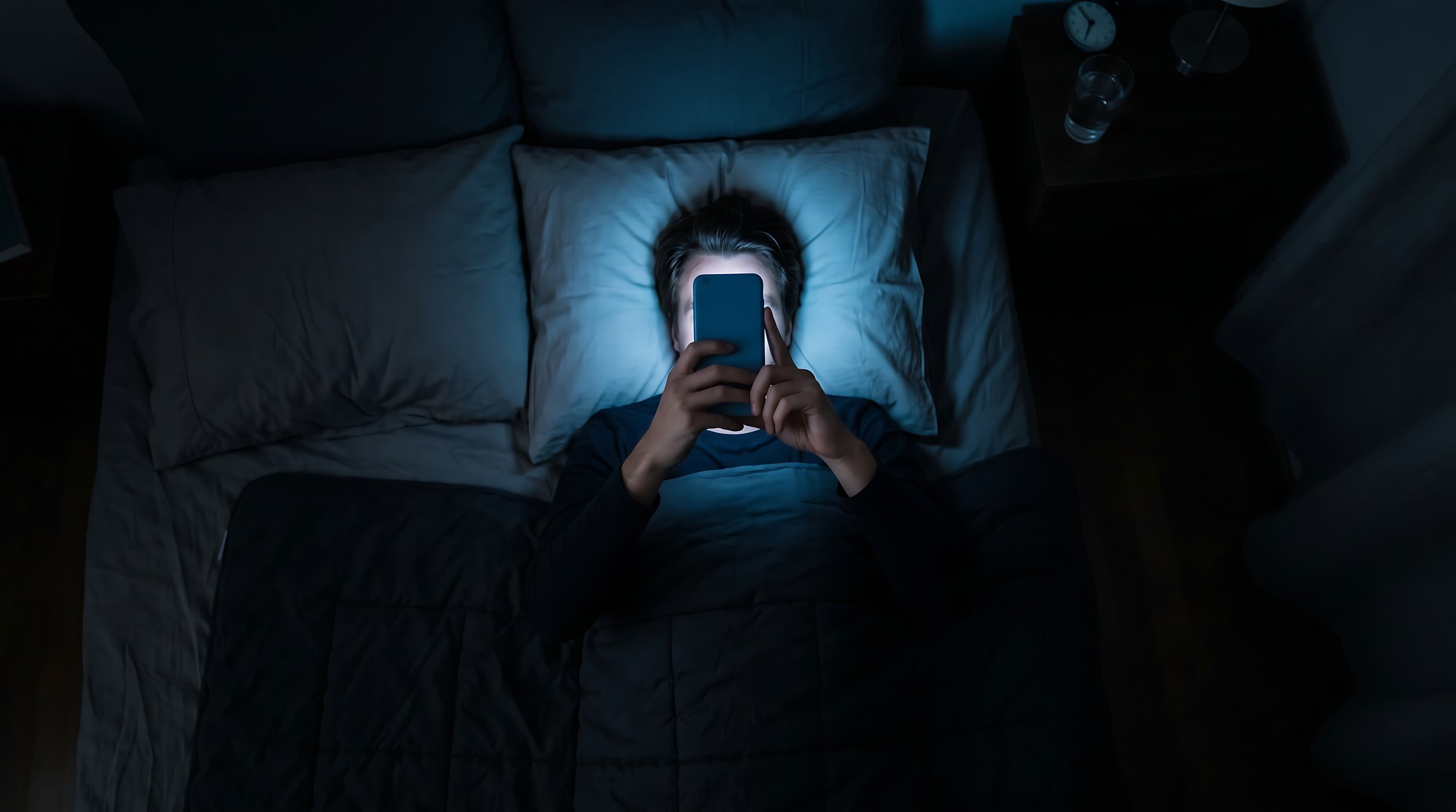
2. Your Body Clock Is Out of Sync
Your body runs on an approximately 24-hour internal clock known as your circadian rhythm.
This influences when you feel awake, when you feel sleepy, body temperature, hormone release and numerous other physiological processes.
Late nights, shift work, travelling across time zones, irregular wake times and insufficient daylight exposure can all disrupt this rhythm.
One of the most effective ways to support it is surprisingly simple: get outside into natural light in the morning and maintain reasonably consistent waking and sleeping times.
Regular exercise, meal timing and reducing bright light exposure late at night can also help reinforce your body's daily rhythm.
No machine can replace these fundamentals — but recovery therapies can complement a healthy routine.
3. You're Mentally Exhausted, Not Just Physically Tired
Fatigue isn't always physical.
Long periods of work, constant notifications, decision-making and psychological stress can leave you feeling exhausted even if you haven't been particularly active.
Stress activates the body's sympathetic nervous system — the familiar "fight or flight" response. While this system is essential, constantly feeling switched on can make genuine recovery difficult.
This is why recovery isn't simply the absence of exercise.
Meditation, breathing exercises, spending time outdoors, reducing screen time and creating periods without constant stimulation can all be useful.
At ReGen Rooms, we encourage clients to use treatments as genuine downtime too. For example, a PEMF session can become a 25-minute digital detox, while a NovoTHOR session can be paired with meditation or quiet relaxation.
Sometimes recovery needs to be scheduled just as deliberately as work.

4. Your Cells Need Energy Too
When we talk about "energy", we're not only talking about how awake you feel.
Every cell requires energy to function.
Much of this usable cellular energy comes in the form of adenosine triphosphate (ATP), which is predominantly generated within structures called mitochondria.
This is one reason mitochondria have become such an important area of research in exercise physiology, ageing and human health.
Where red light therapy comes in
Photobiomodulation — commonly called red light therapy — uses specific wavelengths of red and near-infrared light.
One proposed mechanism involves the mitochondrial enzyme cytochrome c oxidase, alongside effects on nitric oxide, cellular signalling and oxidative metabolism.
These mechanisms are being investigated for their potential roles in areas including exercise recovery, pain and physical performance.
Our NovoTHOR XL delivers red and near-infrared light across the whole body using 660 nm and 850 nm wavelengths, with each session lasting just 17 minutes.
It is important, however, to distinguish cellular ATP production from the subjective feeling of having more energy. Red light therapy isn't a replacement for sleep, food or treatment of an underlying cause of fatigue.
Think of it as a potential tool within a wider recovery routine — not a substitute for the fundamentals.
5. You're Not Recovering From Physical Stress
You don't have to be an elite athlete to accumulate physical fatigue.
Training, running, physically demanding jobs, long periods standing, repetitive movements and even suddenly increasing your daily activity can all increase the body's recovery demands.
Exercise creates temporary physiological stress. Appropriate recovery allows the body to adapt.
If your training load repeatedly exceeds your ability to recover, however, you may experience:
Persistent tiredness
Heavy or sore muscles
Reduced motivation
Poorer performance
Disturbed sleep
A general feeling of being "run down"
Nutrition, adequate protein and carbohydrate intake, hydration, sleep and sensible programming should come first.
Recovery modalities can then provide additional support.
At ReGen Rooms, athletes and active clients commonly use:
NovoTHOR red light therapy to support muscle recovery and photobiomodulation.
Compression therapy to provide sequential pneumatic compression through the legs, supporting circulation and helping with the sensation of heavy, tired legs.
Contrast therapy using our Sunlighten infrared sauna and approximately 8°C ice bath as part of a post-training recovery routine.
PEMF therapy as another non-invasive recovery modality.
6. You're Missing Some of the Basics
Before looking for a complicated solution to fatigue, look at the basics.
Hydration
Even relatively modest dehydration can affect how you feel and perform. Fluid requirements vary considerably depending on body size, activity, temperature and sweating.
Nutrition
Consistently eating too little can leave the body without enough energy to meet its demands.
Iron, vitamin B12 and folate are particularly relevant to normal red blood cell production, while numerous nutrients contribute to normal energy metabolism.
Importantly, don't assume fatigue means you need a supplement.
Persistent fatigue can sometimes be associated with deficiencies or health conditions that require appropriate testing rather than guesswork.
Movement
It sounds counterintuitive, but being sedentary can also contribute to feeling sluggish.
Regular physical activity is associated with numerous benefits for sleep, cardiovascular health, mood and overall wellbeing.
The answer to low energy isn't always more recovery. Sometimes your body needs more movement.
7. Your Body May Be Trying to Tell You Something
This is the most important point on the list.
Persistent or unexplained fatigue shouldn't automatically be treated as a wellness problem.
Fatigue can have many causes, including iron-deficiency anaemia, thyroid disorders, sleep apnoea, diabetes, infections, medication side effects and mental health conditions, among others.
If you're constantly exhausted despite getting adequate sleep — particularly if it is new, worsening, interfering with everyday life or accompanied by other symptoms — speak to your GP.
Recovery therapies should complement appropriate healthcare, not replace it.
Once underlying medical issues have been considered, there are plenty of practical ways to improve your overall recovery routine.
Explore Recovery at ReGen Rooms
Our therapies include:
NovoTHOR XL Whole-Body Red Light Therapy — a 17-minute photobiomodulation session using 660 nm and 850 nm red and near-infrared light.
ReOxy IHHT — intermittent hypoxic-hyperoxic training that alternates lower-oxygen and higher-oxygen air while your physiological response is monitored.
PEMF Therapy — pulsed electromagnetic field therapy designed to interact with cellular and neuromuscular processes.
Sunlighten Infrared Sauna & Ice Bath — infrared heat and approximately 8°C cold-water immersion for contrast therapy.
Compression Therapy — sequential pneumatic compression designed to support circulation and tired, heavy legs.
Ready to take your recovery more seriously?
Explore our therapies and book your session at ReGen Rooms in Leamington Spa.